Short answer
In the first 24 hours: make the area safe, stop the water, document everything, call your insurer, and get extraction and drying started. Mold can begin growing on wet materials in 24 to 48 hours, so drying is the priority.
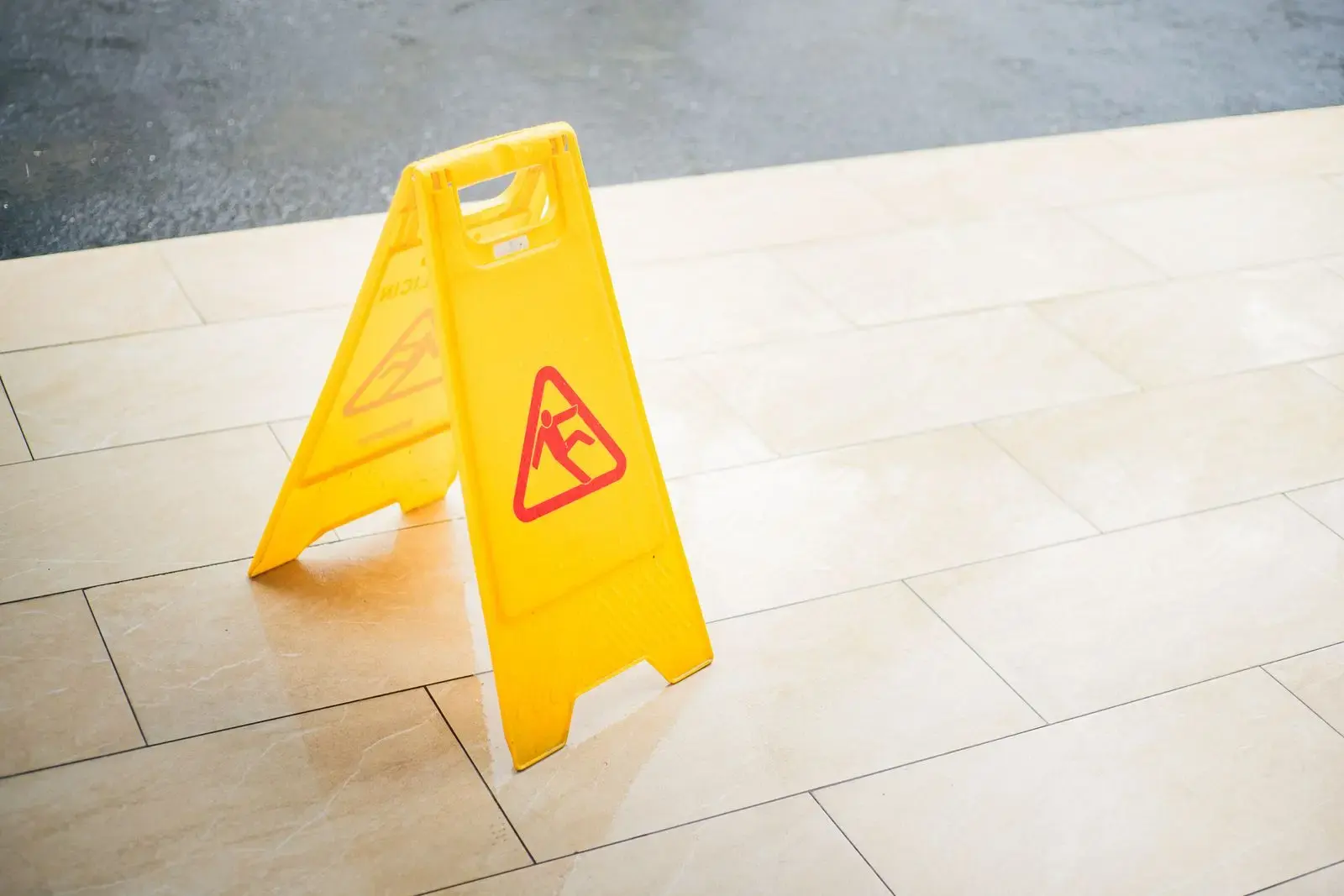
Hour 0 to 1: safety and the source
Turn off the water at the source or the main. Turn off power to wet areas if you can do it without touching water. Keep children and pets away, especially if the water is from a toilet, sewer or outside.
Hours 1 to 4: document and call
Photograph and film every room, the source of the leak and damaged belongings. Call your insurer to open a claim. Call a restoration company for extraction. Many policies expect you to take reasonable steps to prevent more damage.
Hours 4 to 24: extraction and drying
Standing water should be extracted and drying equipment set up the same day if possible. Ask the crew to take moisture readings and share them. Keep the equipment running.
- Don't turn off air movers or dehumidifiers
- Keep the HVAC running at a normal setting
- Keep windows closed on humid days
Questions
Can I wait for the insurance adjuster before drying?
No. Document the damage, then start mitigation. Waiting lets damage and mold spread.
What is category 1, 2 and 3 water?
Category 1 is clean water, like a supply line. Category 2 is gray water, like a washer drain. Category 3 is contaminated, like sewage or floodwater.
This guide is general information, not professional, legal or insurance advice. Follow your insurer's instructions and local codes, and put safety first.