Emergency service
Storm and flood water damage cleanup
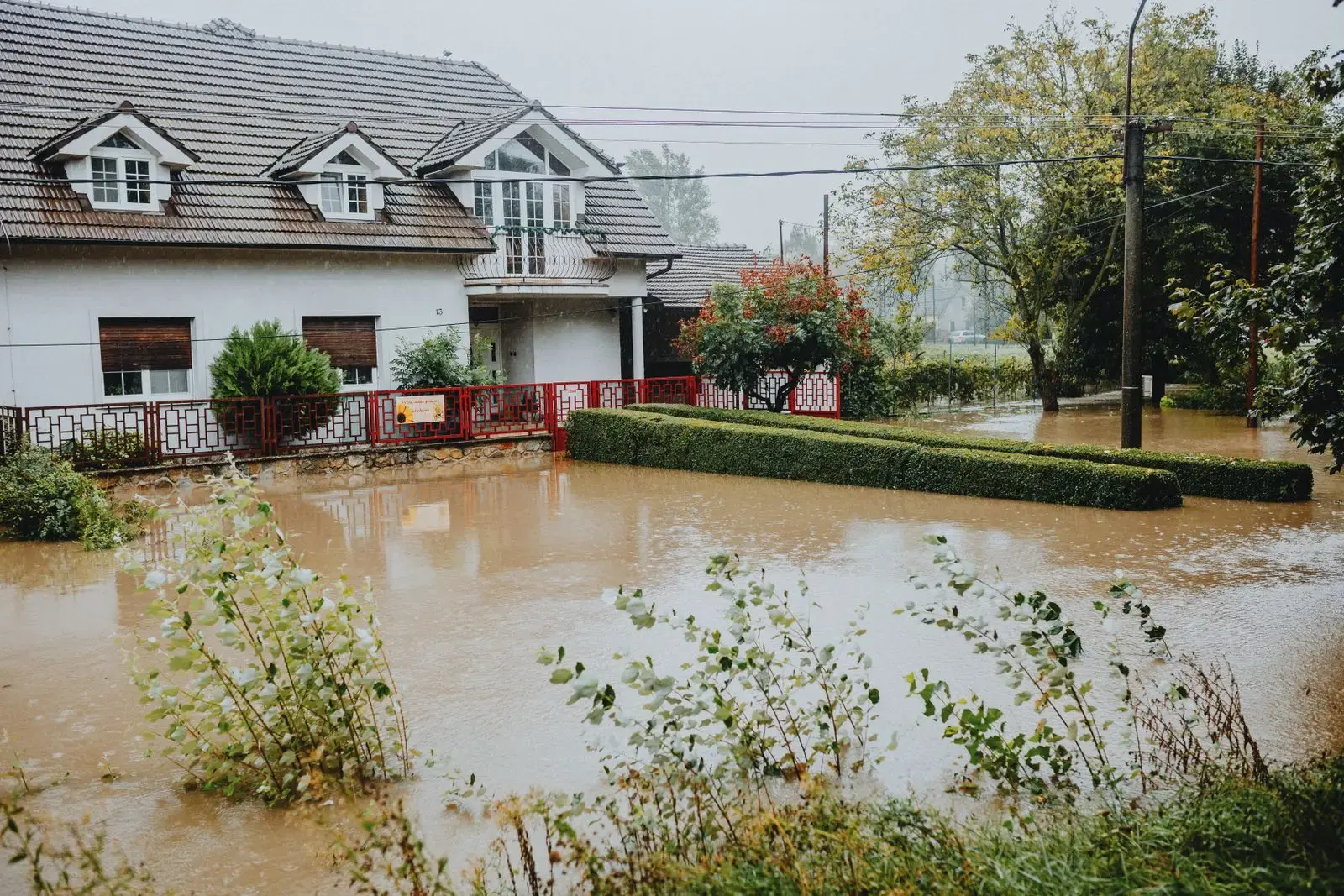
Storm and flood cleanup removes outside water that entered through the roof, windows, doors or foundation, discards porous materials it contaminated, and dries the structure. Floodwater is treated as category 3 because it carries soil, chemicals and sewage.
- Fast callback on emergency requests
- Independent local companies that serve your ZIP
- Moisture readings documented for your insurer
- Free to call; the company quotes before work starts
Storm damage comes from two directions. Wind-driven rain enters through damaged roofs and windows, while rising water comes in at ground level. Roof openings are tarped first so more rain doesn't undo the drying.
After widespread storms, crews are stretched thin. Get on a list early, document everything with photos, and call your insurer. Our guide on water damage insurance claims walks through the steps.
Storm and Flood Damage at a glance
- What it is
- Storm and flood cleanup removes outside water that entered through the roof, windows, doors or foundation, discards porous materials it contaminated, and dries the structure.
- Urgency
- Same day. Damage grows by the hour.
- Typical steps
- Secure → Remove → Clean → Dry
- Who does it
- An independent, local restoration company
Signs
When you need storm and flood damage
- Water coming in around windows or doors during a storm
- Roof damage with wet ceilings or attic insulation
- Water that rose into the home from outside
- Mud or debris lines on walls
Process
What the crew does
- 1
Secure
Roof and window openings are tarped or boarded to stop more water.
- 2
Remove
Water and contaminated porous materials are removed.
- 3
Clean
Surfaces touched by floodwater are cleaned and disinfected.
- 4
Dry
The structure is dried and monitored before rebuild.
Cost
What affects the price
Every job is scoped on site. These are the factors that move the number.
- Whether water came from above (rain) or rose from outside (flood)
- Tarping or board-up needs
- Amount of material removal
- Contents cleaning or disposal
- Demand after regional storms
Before the crew arrives
What you can do, and when to stop
Safe to do
- Photograph damage outside and inside before touching anything
- Put buckets or tarps down to limit further damage if safe
- Keep receipts for anything you buy
Stop and call if
- Floodwater entered the home
- There's roof damage (don't climb onto a wet roof)
- Power lines are down or the panel got wet
FAQ
Storm and Flood Damage questions
Does homeowners insurance cover flooding?
Standard homeowners policies generally exclude flood (rising surface water). Flood coverage comes from NFIP or private flood insurance. Wind-driven rain through a damaged roof is often covered.
Should I wait for the adjuster before cleanup?
No. Take thorough photos and video, then start mitigation. Policies generally expect you to prevent further damage.
Available in 45 states
Related
Related services

Water Extraction
Water extraction removes standing and soaked-in water with truck-mounted or portable pumps and extraction wands, so drying can start.
Learn more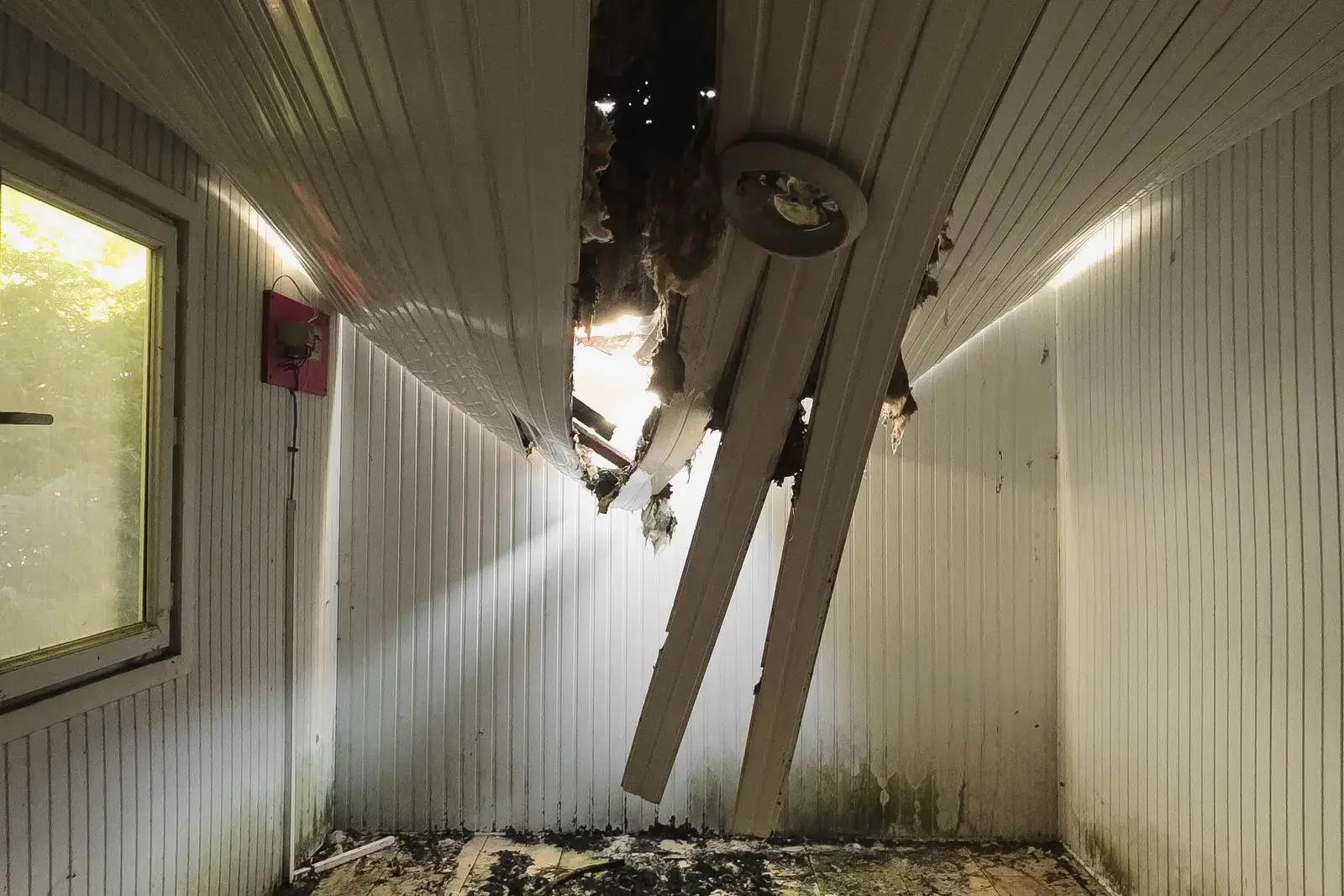
Ceiling Leak Water Damage
A wet ceiling needs the leak stopped at its source (roof, plumbing, HVAC drain or a bathroom above), the ceiling cavity dried, and damaged drywall and insulation replaced.
Learn more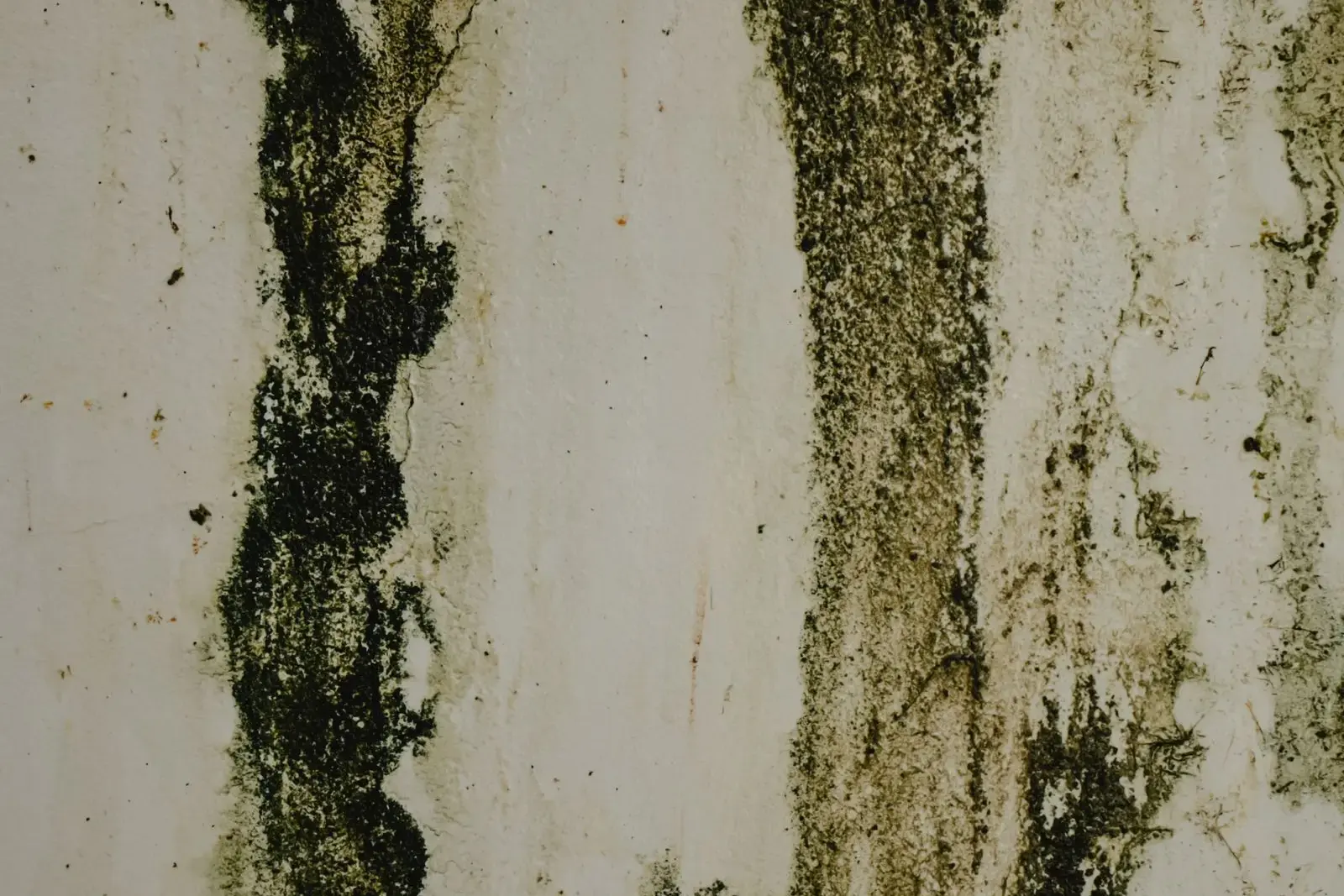
Mold Remediation
Mold remediation contains the affected area, removes moldy porous materials, cleans hard surfaces and fixes the moisture problem that caused it.
Learn moreGuides
Read next
Water where it shouldn't be?
Stop the source if you can, then call. We'll connect you with a local restoration company that serves your ZIP.
Fast callback on emergency requests