Mold remediation after water damage
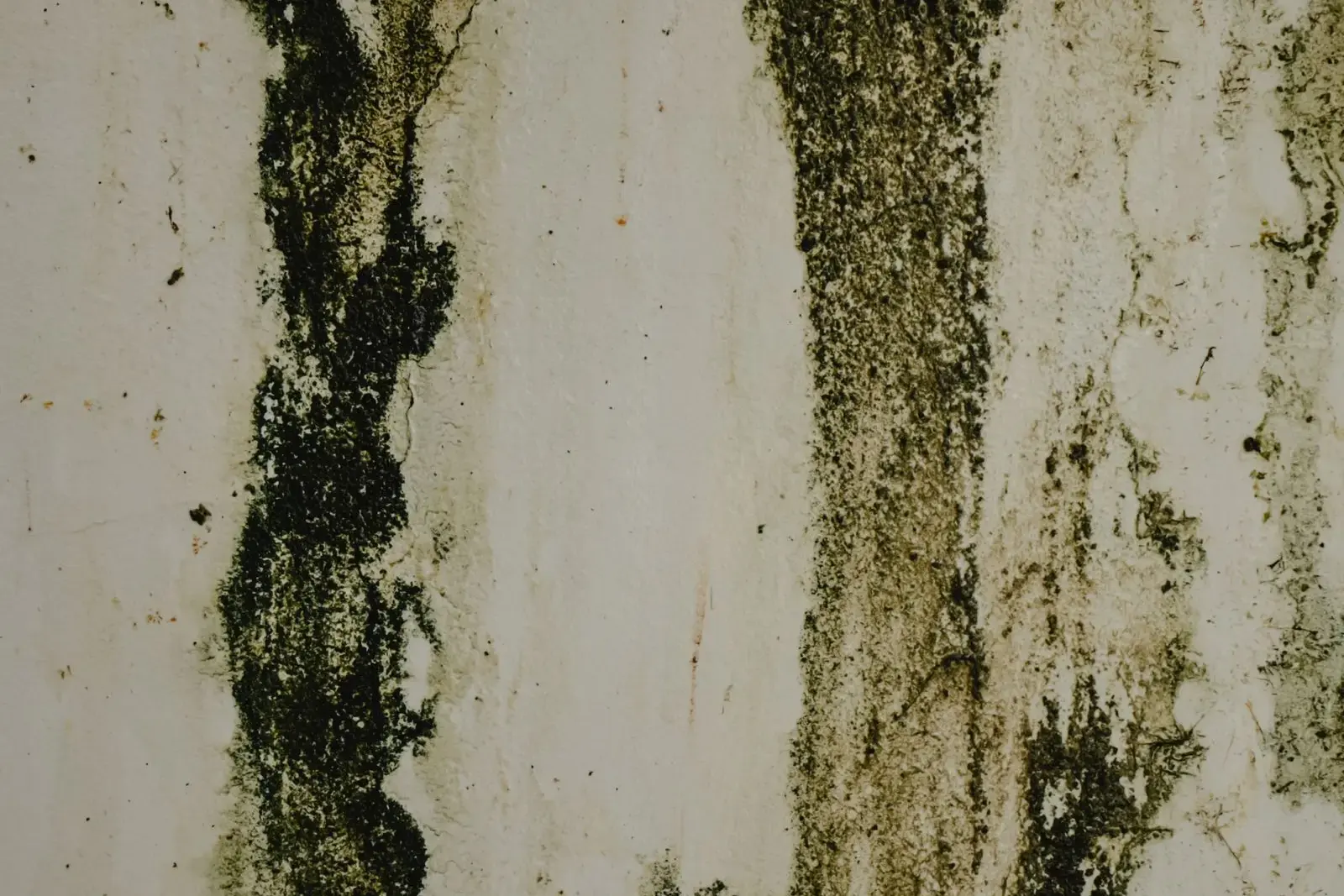
Mold remediation contains the affected area, removes moldy porous materials, cleans hard surfaces and fixes the moisture problem that caused it. Killing mold with a spray without removing it and drying the area doesn't solve the problem.
- Fast callback on emergency requests
- Independent local companies that serve your ZIP
- Moisture readings documented for your insurer
- Free to call; the company quotes before work starts
Mold needs moisture, food (drywall paper, wood, dust) and time. After a water loss that wasn't dried quickly, it can appear within days. The EPA suggests that areas larger than about 10 square feet are best handled by trained professionals.
A proper job sets up containment with plastic sheeting and negative air pressure so spores don't spread, removes affected drywall and insulation, HEPA-vacuums and cleans the framing, then dries everything. See how fast mold grows after water damage.
Mold Remediation at a glance
- What it is
- Mold remediation contains the affected area, removes moldy porous materials, cleans hard surfaces and fixes the moisture problem that caused it.
- Urgency
- Soon. Start within a day or two.
- Typical steps
- Assess → Contain → Remove and clean → Dry and verify
- Who does it
- An independent, local restoration company
Signs
When you need mold remediation
- Visible black, green or white spotting on walls or ceilings
- A persistent musty smell
- Allergy-like symptoms that ease when you leave the house
- Past water damage that was never dried by a professional
Process
What the crew does
- 1
Assess
The extent of growth and the moisture source are identified.
- 2
Contain
Plastic barriers and negative air keep spores from spreading.
- 3
Remove and clean
Moldy porous materials come out; framing is HEPA-vacuumed and cleaned.
- 4
Dry and verify
The area is dried; some homeowners choose independent clearance testing.
Cost
What affects the price
Every job is scoped on site. These are the factors that move the number.
- Square footage of growth
- Location: attic, crawl space, walls or HVAC
- Containment and air filtration needed
- Material removal and replacement
- Optional third-party testing
Before the crew arrives
What you can do, and when to stop
Safe to do
- Clean small spots (under about 10 square feet) on hard surfaces with detergent and water
- Fix the leak and lower indoor humidity
- Wear an N95, gloves and eye protection
Stop and call if
- Growth covers more than about 10 square feet
- Mold is inside walls, HVAC ducts or the attic
- The water was sewage or floodwater
- Anyone in the home has asthma or a weak immune system
FAQ
Mold Remediation questions
Does bleach kill mold?
Bleach can whiten mold on hard, non-porous surfaces but doesn't reach roots in drywall or wood. Removal and drying are what solve it.
Do I need a mold test?
If mold is visible, testing usually isn't needed to decide on removal. Testing is useful after cleanup or when you smell mold but can't find it.
Will mold come back?
Not if the moisture source is fixed and materials are dried. Mold returns when leaks or high humidity continue.
Available in 45 states
Related
Related services
Structural Drying
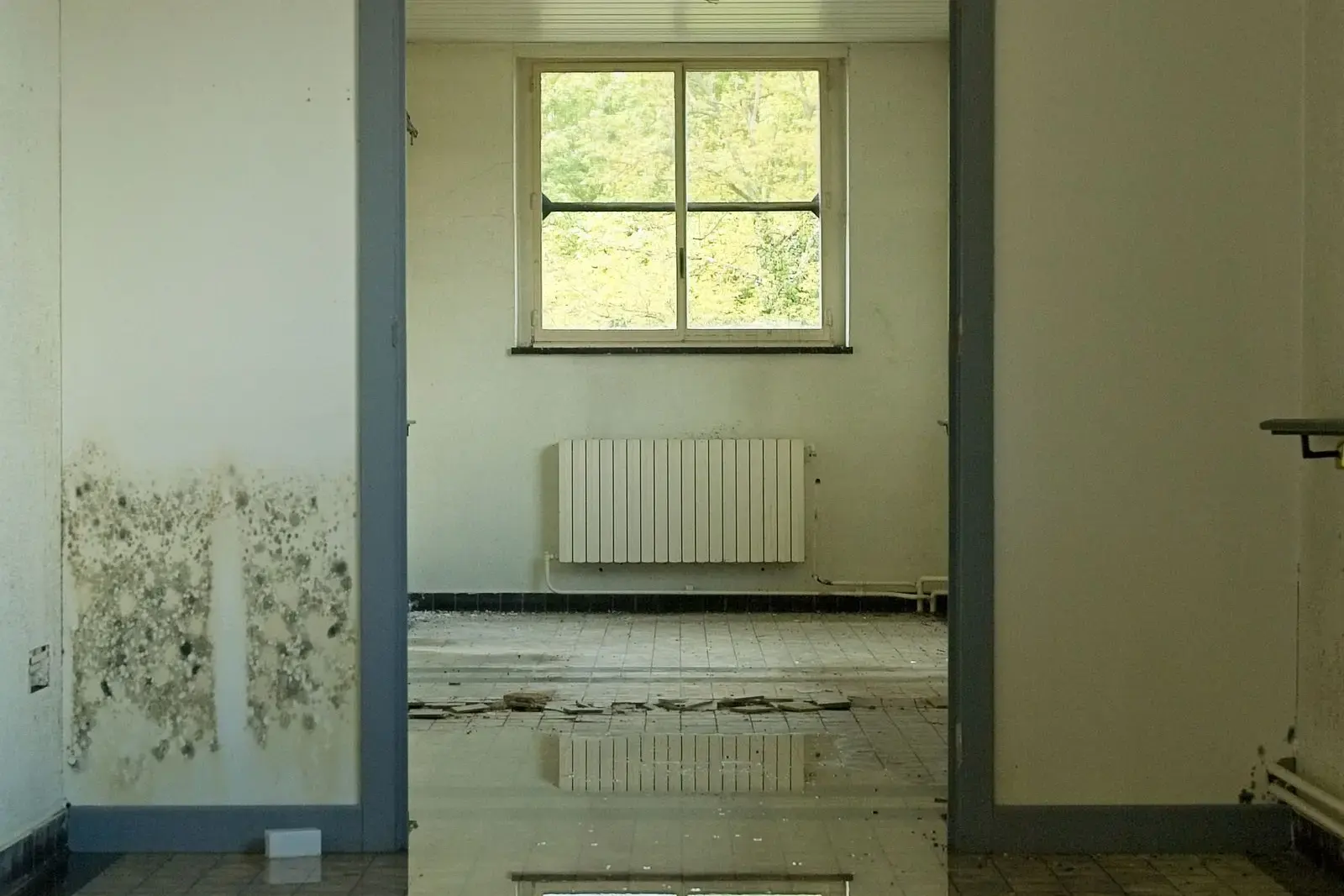
Structural drying removes water that has soaked into drywall, framing, subfloor and cabinets using air movers, commercial dehumidifiers and daily moisture readings.
Learn more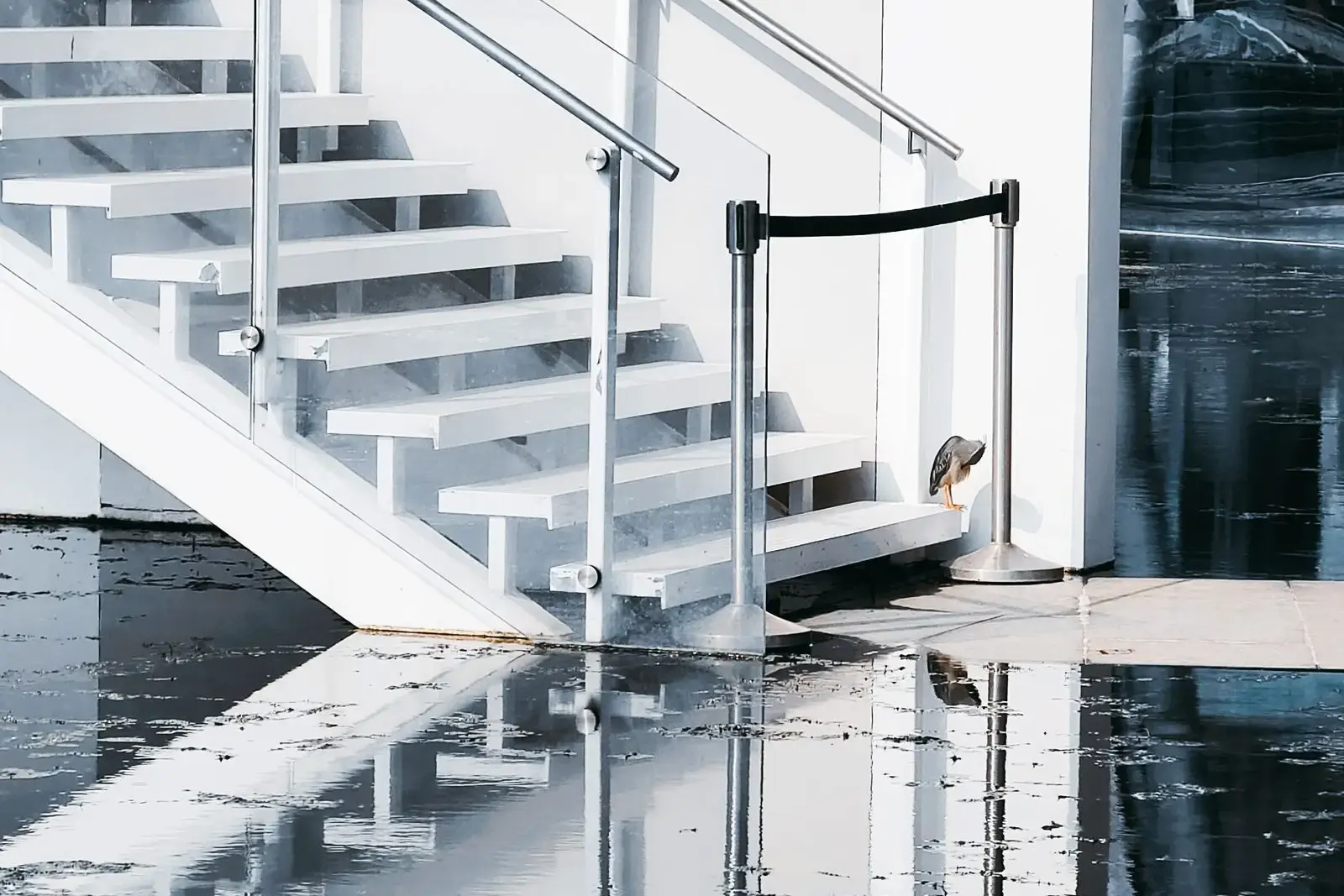
Flooded Basement Cleanup
Flooded basement cleanup means pumping out the water, removing wet carpet, drywall and insulation that can't be saved, cleaning and disinfecting, and drying the space with dehumidifiers.
Learn more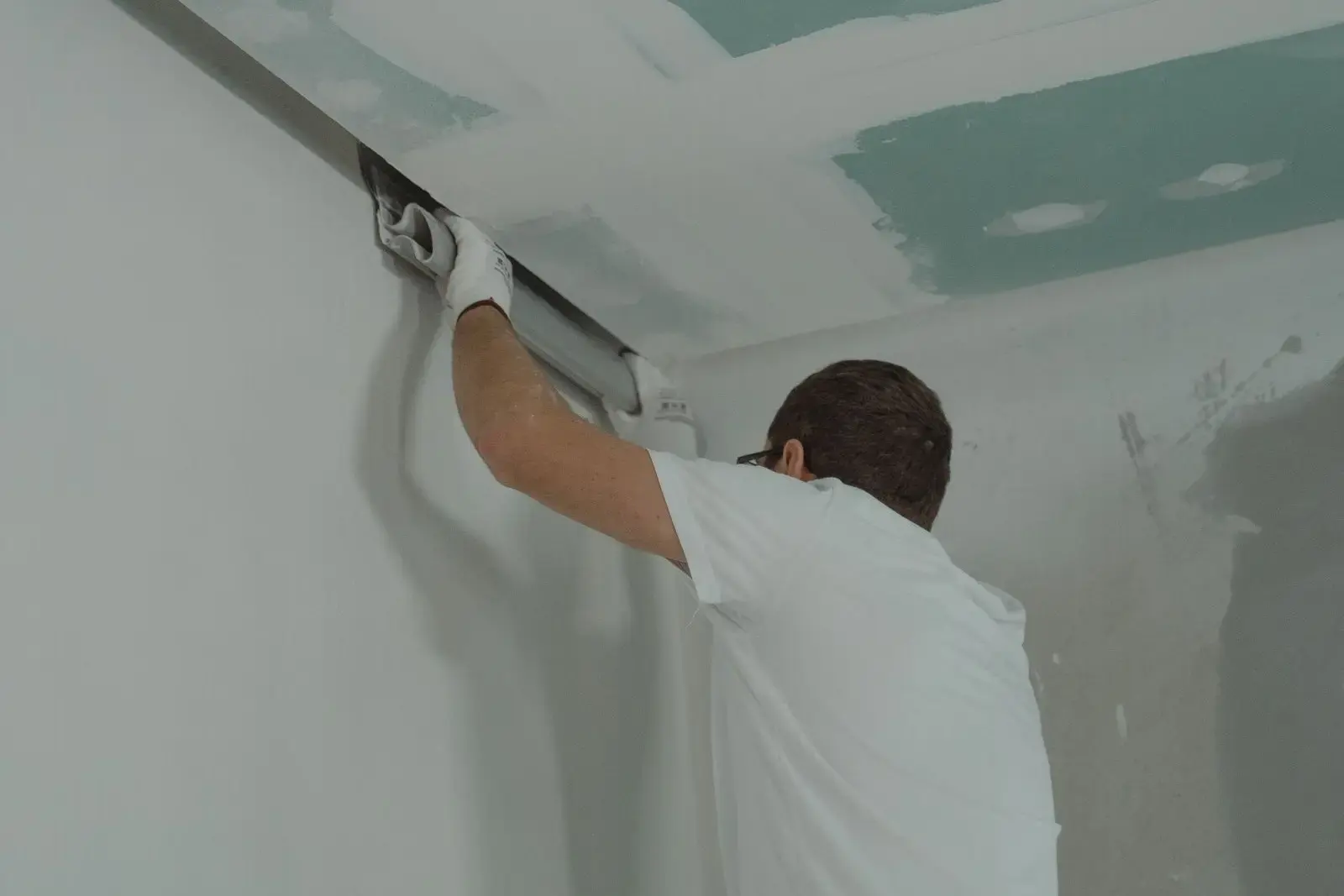
Water Damage Repair
Water damage repair is the rebuild after drying: new drywall, insulation, baseboards, flooring, cabinets and paint.
Learn moreGuides
Read next
Water where it shouldn't be?
Stop the source if you can, then call. We'll connect you with a local restoration company that serves your ZIP.
Fast callback on emergency requests