Emergency service
Emergency water extraction
Water extraction removes standing and soaked-in water with truck-mounted or portable pumps and extraction wands, so drying can start. The sooner it's out, the less drywall, flooring and cabinetry has to be torn out.
- Fast callback on emergency requests
- Independent local companies that serve your ZIP
- Moisture readings documented for your insurer
- Free to call; the company quotes before work starts
Extraction is the first step on almost every water loss. A technician pumps out standing water, then runs weighted or wand extractors over carpet and pad to pull out the water that a wet-vac leaves behind. Pulling water out mechanically is many times faster than evaporating it with fans.
Once the visible water is gone, the crew uses moisture meters and thermal imaging to find where it went: under flooring, up into the bottom of drywall and into the subfloor. That map decides what can be dried in place and what has to come out. See structural drying for the next stage.
Water Extraction at a glance
- What it is
- Water extraction removes standing and soaked-in water with truck-mounted or portable pumps and extraction wands, so drying can start.
- Urgency
- Same day. Damage grows by the hour.
- Typical steps
- Stop the source → Extract → Map the moisture → Set up drying
- Who does it
- An independent, local restoration company
Signs
When you need water extraction
- Standing water on any floor, even a thin sheet
- Carpet that squishes or pad that stays wet after a day
- Water pooling at baseboards or under appliances
- A basement or crawl space with water after rain
- Wet flooring that spreads into another room
Process
What the crew does
- 1
Stop the source
The water supply is shut off, or the leak is isolated. Power to wet areas is cut if outlets or cords are near water.
- 2
Extract
Pumps take out standing water; extraction wands or weighted extractors pull water from carpet and pad.
- 3
Map the moisture
Meters and thermal cameras show how far water wicked into walls, subfloor and cabinets.
- 4
Set up drying
Air movers and dehumidifiers go in, with readings taken daily until materials hit dry targets.
Cost
What affects the price
Every job is scoped on site. These are the factors that move the number.
- Square footage and how many rooms the water reached
- Clean water versus gray or sewage water (category 1, 2 or 3)
- Whether carpet pad, baseboards or drywall must be removed
- Number of drying days and pieces of equipment
- After-hours or weekend response
Before the crew arrives
What you can do, and when to stop
Safe to do
- Shut off the main water valve and, if safe, the breaker for wet rooms
- Move furniture, rugs and electronics off wet floors
- Take photos and video of everything before cleanup, for insurance
- Use towels or a wet-vac on small, clean-water spills
Stop and call if
- Water is near outlets, a panel or appliances that are plugged in
- The water came from a toilet, sewer or outside flooding
- Ceilings are sagging or water is coming through light fixtures
- More than one room or any carpet pad is soaked
FAQ
Water Extraction questions
How fast does water need to be extracted?
As soon as possible. Drywall and particleboard start wicking water within hours, and mold can begin growing in 24 to 48 hours on wet organic materials.
Can a shop-vac replace professional extraction?
For a small, clean spill on hard flooring, yes. For soaked carpet and pad, a shop-vac leaves most of the water behind; truck-mounted and weighted extractors remove far more.
Will carpet have to be thrown out?
Not always. Carpet soaked with clean water can often be dried in place, though the pad is usually replaced. Carpet soaked with sewage or floodwater is discarded.
Available in 45 states
Related
Related services
Structural Drying
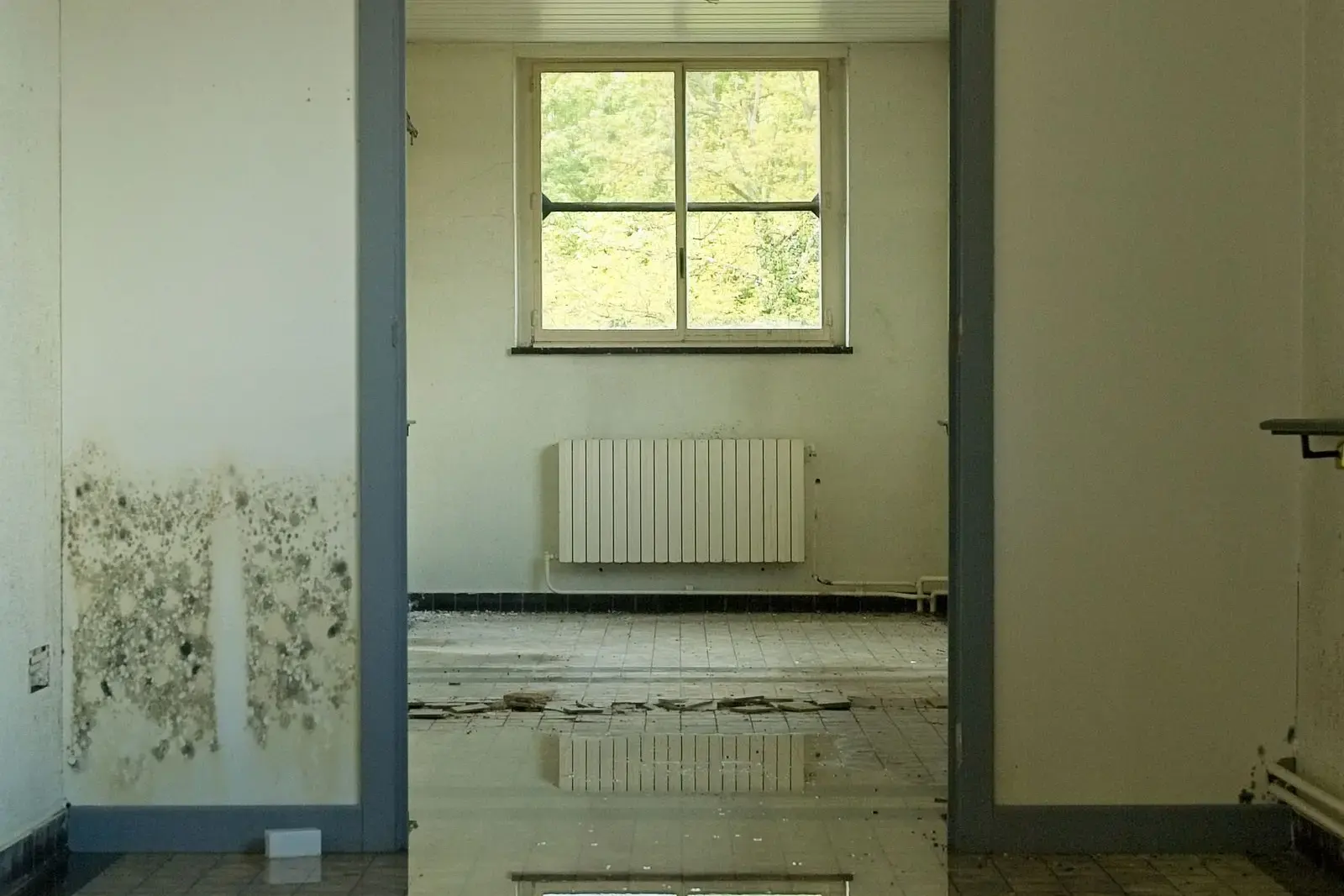
Structural drying removes water that has soaked into drywall, framing, subfloor and cabinets using air movers, commercial dehumidifiers and daily moisture readings.
Learn more
Burst Pipe Cleanup
When a pipe bursts, shut off the main water valve first, then get water extraction and drying started.
Learn more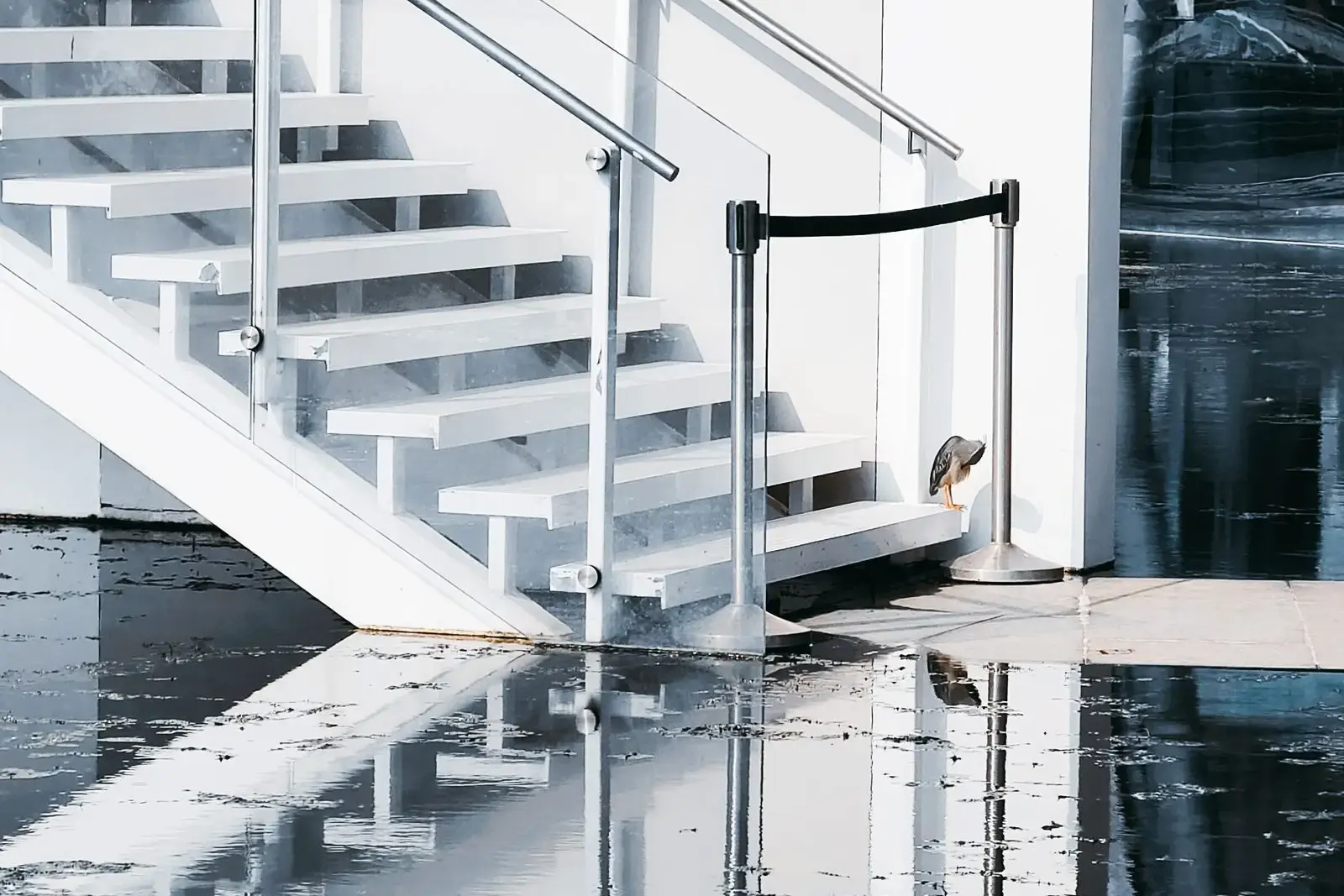
Flooded Basement Cleanup
Flooded basement cleanup means pumping out the water, removing wet carpet, drywall and insulation that can't be saved, cleaning and disinfecting, and drying the space with dehumidifiers.
Learn moreWater where it shouldn't be?
Stop the source if you can, then call. We'll connect you with a local restoration company that serves your ZIP.
Fast callback on emergency requests