Appliance leak cleanup
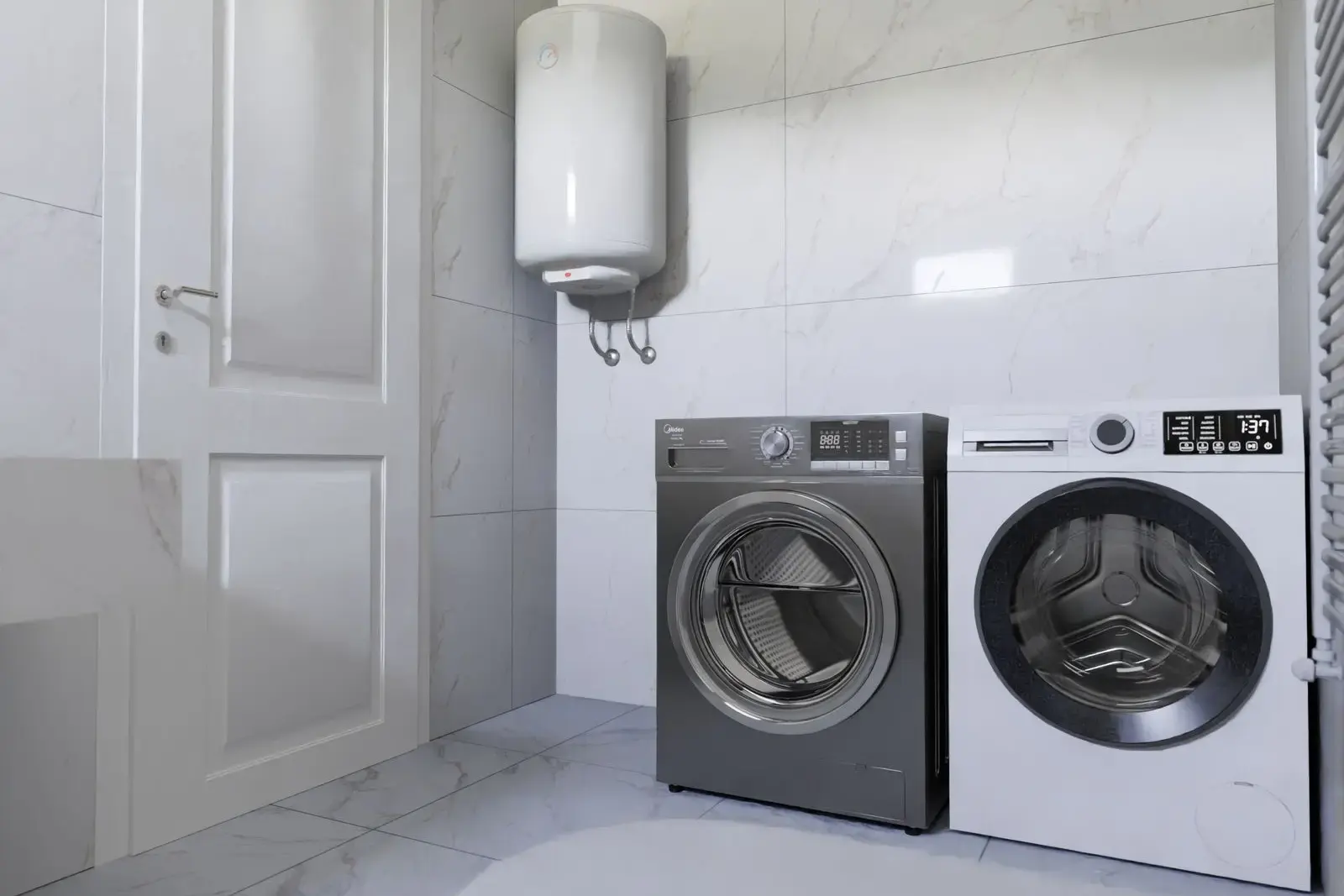
Appliance leaks from water heaters, washing machine hoses, dishwashers, fridge ice-maker lines and AC drain pans often run under flooring and cabinets unseen. Cleanup means stopping the supply, finding how far the water spread, and drying the subfloor and cabinets.
- Fast callback on emergency requests
- Independent local companies that serve your ZIP
- Moisture readings documented for your insurer
- Free to call; the company quotes before work starts
A burst washing machine hose can release hundreds of gallons in an hour. Slower leaks, like a dripping dishwasher connection or ice-maker line, soak the subfloor and cabinet bases for weeks before you notice warped flooring.
Crews pull toe-kicks and use meters to find wet cabinet bases and subfloor, then dry them with targeted air. Laminate and vinyl plank often trap water and may need to come up.
Appliance Leak Cleanup at a glance
- What it is
- Appliance leaks from water heaters, washing machine hoses, dishwashers, fridge ice-maker lines and AC drain pans often run under flooring and cabinets unseen.
- Urgency
- Soon. Start within a day or two.
- Typical steps
- Stop the supply → Trace the water → Open and dry → Restore
- Who does it
- An independent, local restoration company
Signs
When you need appliance leak cleanup
- Water under or around the washer, water heater or dishwasher
- Swollen cabinet bases or a soft sink-base floor
- Laminate or vinyl plank lifting near the kitchen or laundry
- Rust or a puddle at the bottom of the water heater
Process
What the crew does
- 1
Stop the supply
The appliance's valve or the main water valve is closed.
- 2
Trace the water
Meters find wet flooring, subfloor and cabinets.
- 3
Open and dry
Toe-kicks come off; cabinets and subfloor are dried in place where possible.
- 4
Restore
Damaged flooring or cabinet panels are replaced.
Cost
What affects the price
Every job is scoped on site. These are the factors that move the number.
- How long the leak ran
- Flooring type (laminate traps water)
- Cabinet removal or drying
- Size of the affected area
Before the crew arrives
What you can do, and when to stop
Safe to do
- Close the appliance's shutoff valve
- For a leaking water heater, turn off power or gas and the cold supply
- Towel up standing water and pull the appliance out if you can
Stop and call if
- Flooring is lifting or cabinets are swollen
- The leak was slow and ran for days or weeks
- Water reached a ceiling below
FAQ
Appliance Leak Cleanup questions
How often should washing machine hoses be replaced?
Many manufacturers suggest every 5 years. Braided stainless hoses are more durable than rubber ones.
Is a slow leak covered by insurance?
Many policies exclude damage from continuous or repeated leaks over time. Sudden appliance failures are more often covered.
Available in 45 states
Related
Related services
Structural Drying
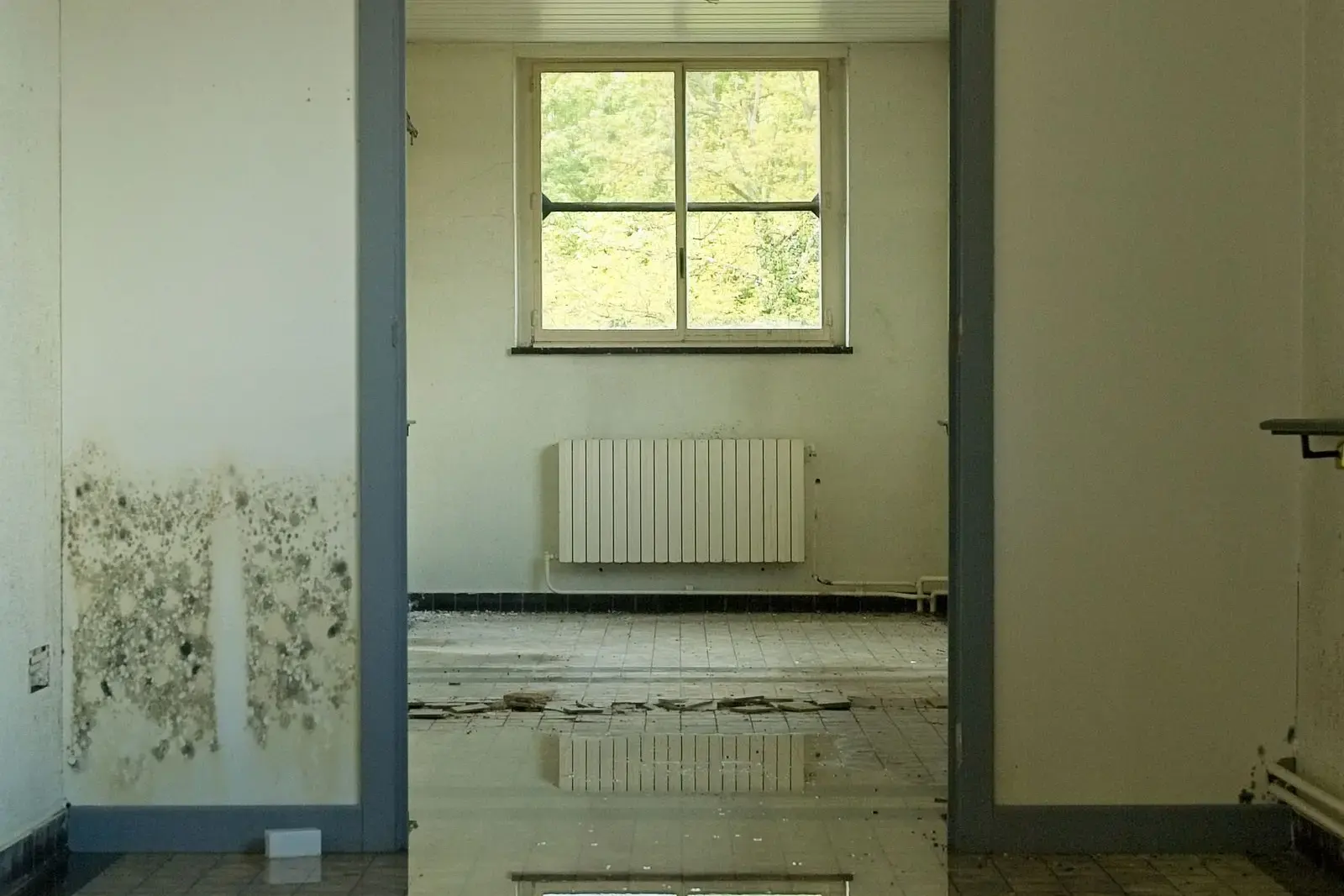
Structural drying removes water that has soaked into drywall, framing, subfloor and cabinets using air movers, commercial dehumidifiers and daily moisture readings.
Learn more
Water Extraction
Water extraction removes standing and soaked-in water with truck-mounted or portable pumps and extraction wands, so drying can start.
Learn more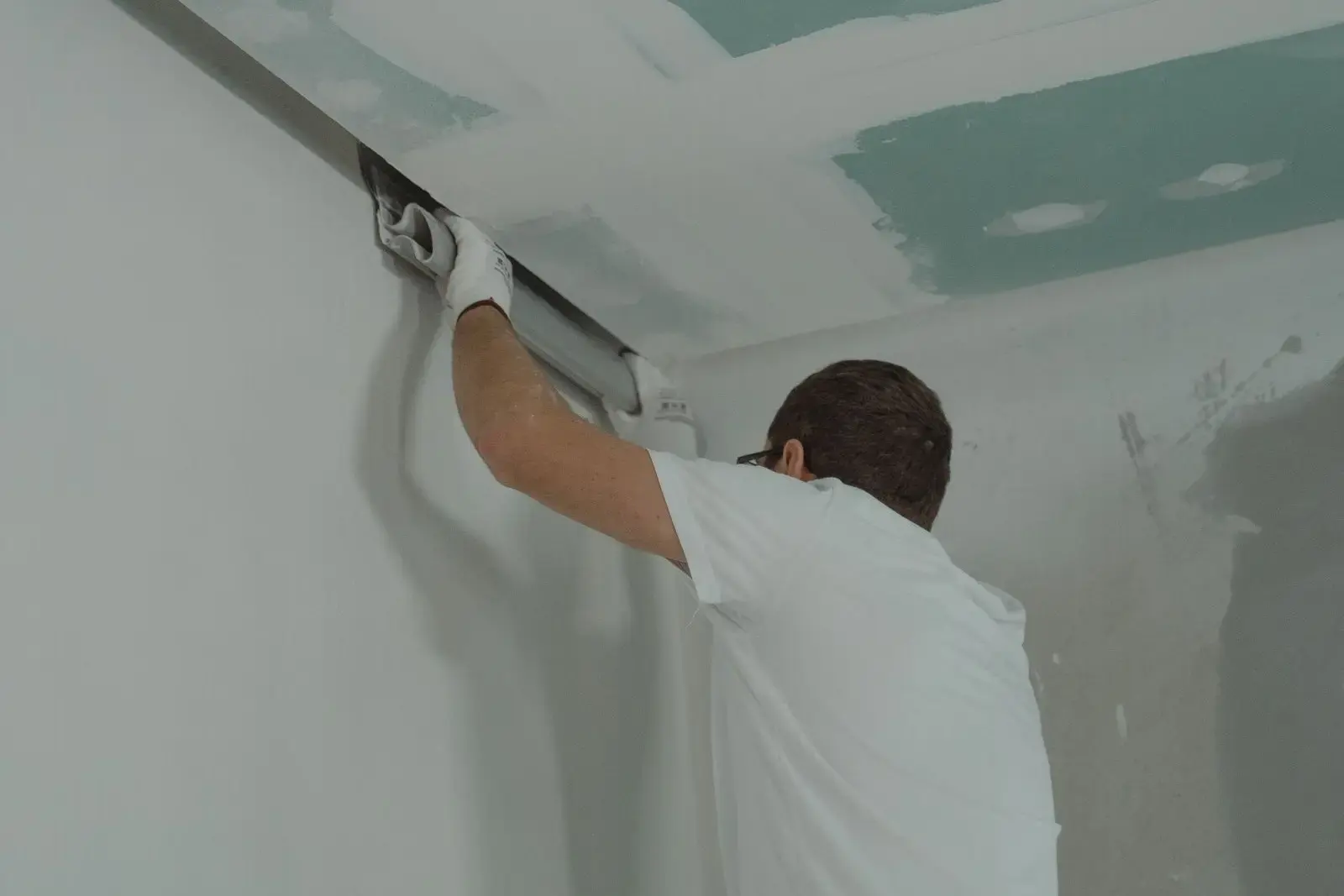
Water Damage Repair
Water damage repair is the rebuild after drying: new drywall, insulation, baseboards, flooring, cabinets and paint.
Learn moreWater where it shouldn't be?
Stop the source if you can, then call. We'll connect you with a local restoration company that serves your ZIP.
Fast callback on emergency requests