Ceiling leak water damage
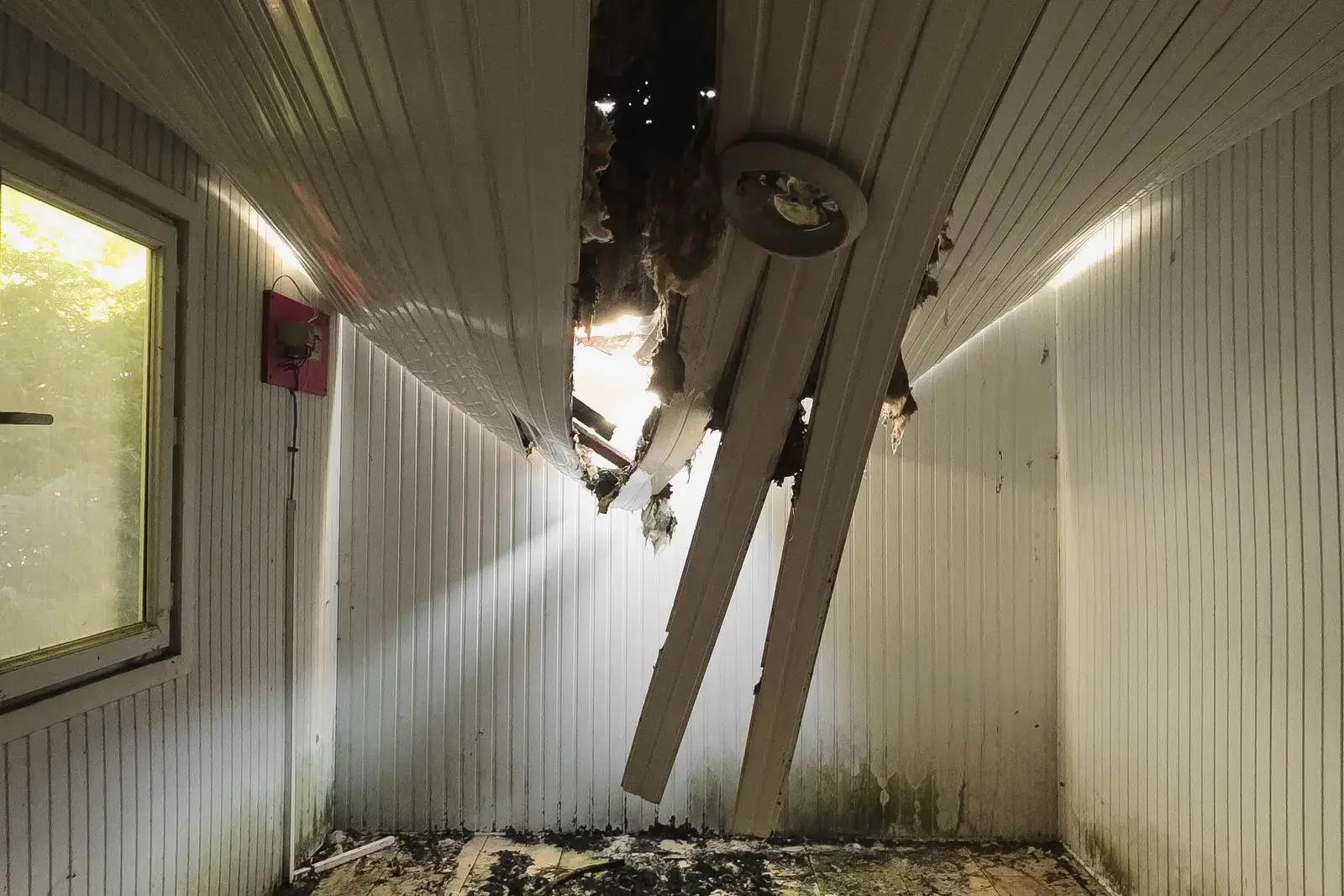
A wet ceiling needs the leak stopped at its source (roof, plumbing, HVAC drain or a bathroom above), the ceiling cavity dried, and damaged drywall and insulation replaced. Stains alone often mean water is still sitting above the drywall.
- Fast callback on emergency requests
- Independent local companies that serve your ZIP
- Moisture readings documented for your insurer
- Free to call; the company quotes before work starts
Ceiling leaks come from roof damage, an upstairs toilet or shower, a failed AC condensate line, or ice dams in cold climates. Water pools on top of the drywall and soaks the insulation before a stain shows below.
The crew checks the cavity with moisture meters and a thermal camera. Saturated ceiling drywall usually comes down, because it loses strength when wet. After drying, it's replaced, primed with a stain-blocker and painted.
Ceiling Leak Water Damage at a glance
- What it is
- A wet ceiling needs the leak stopped at its source (roof, plumbing, HVAC drain or a bathroom above), the ceiling cavity dried, and damaged drywall and insulation replaced.
- Urgency
- Soon. Start within a day or two.
- Typical steps
- Find the source → Relieve and remove → Dry the cavity → Replace and finish
- Who does it
- An independent, local restoration company
Signs
When you need ceiling leak water damage
- A brown ring or spreading stain on the ceiling
- Bubbling paint or a bulge in the drywall
- Dripping from a light fixture or vent
- A musty smell in an upstairs room or attic
Process
What the crew does
- 1
Find the source
The leak is traced to the roof, plumbing or HVAC and stopped.
- 2
Relieve and remove
Trapped water is drained; saturated drywall and insulation are cut out.
- 3
Dry the cavity
Framing and the remaining ceiling are dried to target readings.
- 4
Replace and finish
New drywall is hung, taped, stain-sealed and painted.
Before and after
What the result can look like
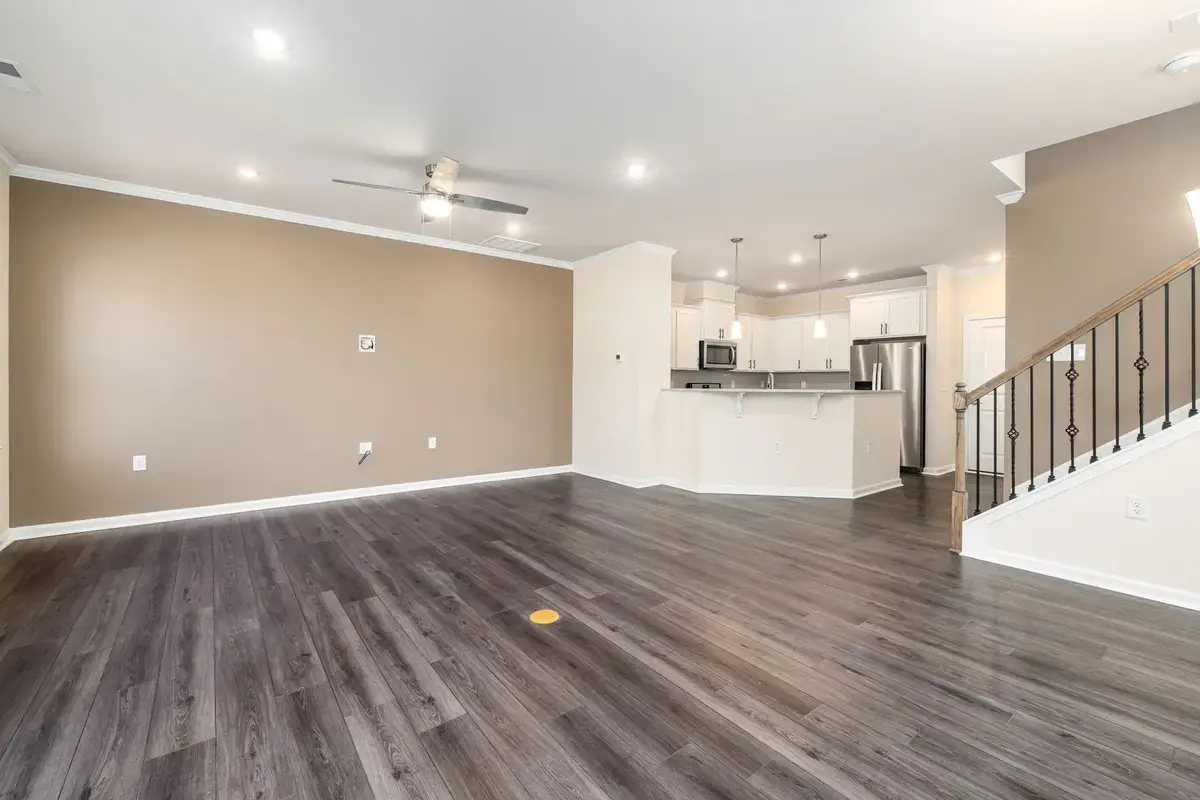
Ceiling leak
Source stopped, wet drywall and insulation removed, cavity dried, ceiling replaced.
Illustrative example using stock photos, not a job by a company in our network.
Cost
What affects the price
Every job is scoped on site. These are the factors that move the number.
- Size of the ceiling section to replace
- Insulation replacement in attics
- Texture matching (popcorn, knockdown)
- Height and access
- Roof or plumbing repair, billed separately
Before the crew arrives
What you can do, and when to stop
Safe to do
- Put a bucket under the drip and move belongings out of the way
- Turn off the circuit if water is near a light fixture
- Photograph the stain and any damage for insurance
Stop and call if
- The ceiling is sagging or bulging
- Water is coming through a light or fan
- The stain keeps growing
FAQ
Ceiling Leak Water Damage questions
Can I just paint over a ceiling water stain?
Only after the leak is fixed and the cavity is dry. Painting over a wet ceiling traps moisture and the stain returns. Use a stain-blocking primer first.
Does a sagging ceiling have to be replaced?
Yes. Drywall that has sagged from water weight has lost its strength and should be removed and replaced.
Available in 45 states
Related
Related services

Burst Pipe Cleanup
When a pipe bursts, shut off the main water valve first, then get water extraction and drying started.
Learn more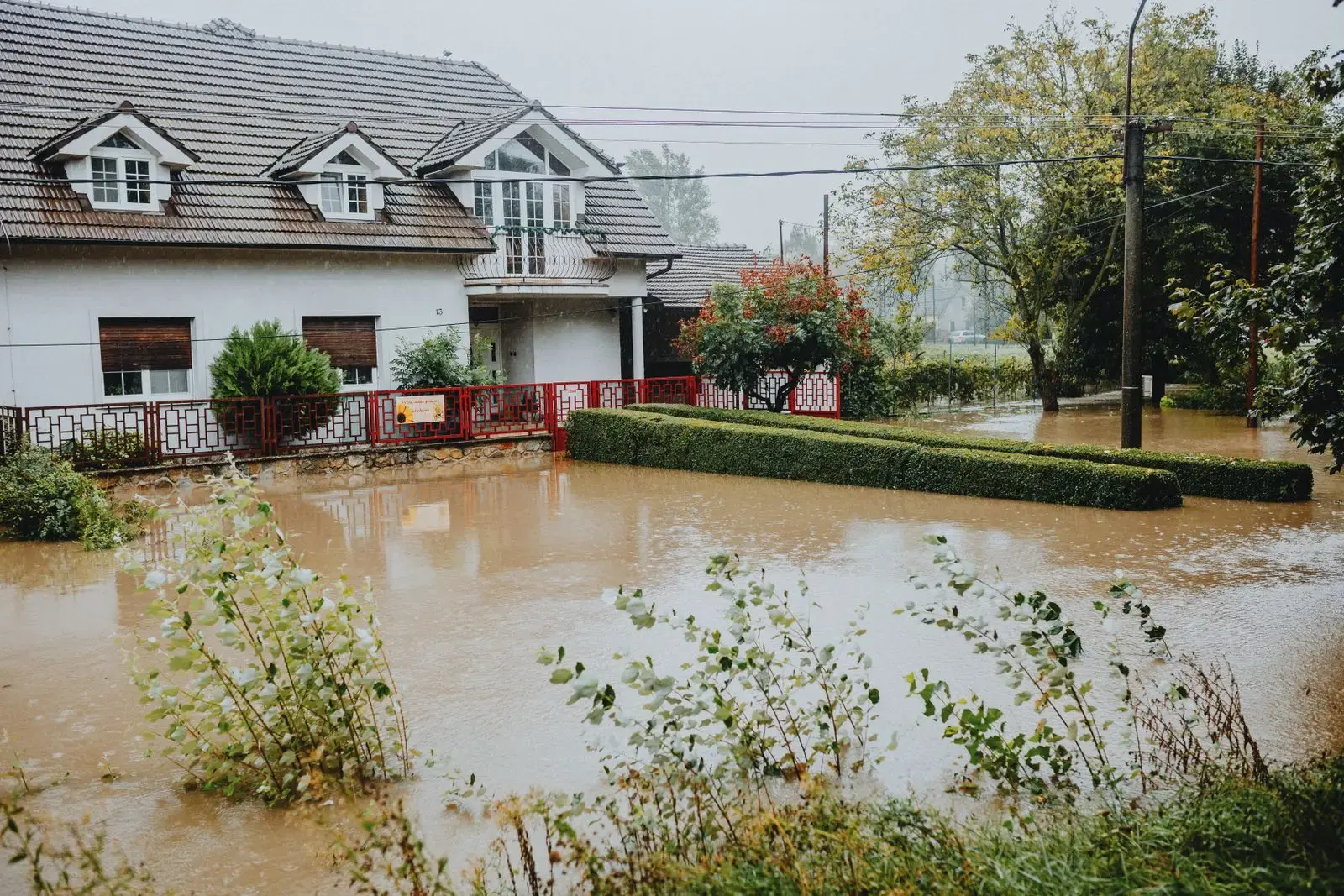
Storm and Flood Damage
Storm and flood cleanup removes outside water that entered through the roof, windows, doors or foundation, discards porous materials it contaminated, and dries the structure.
Learn more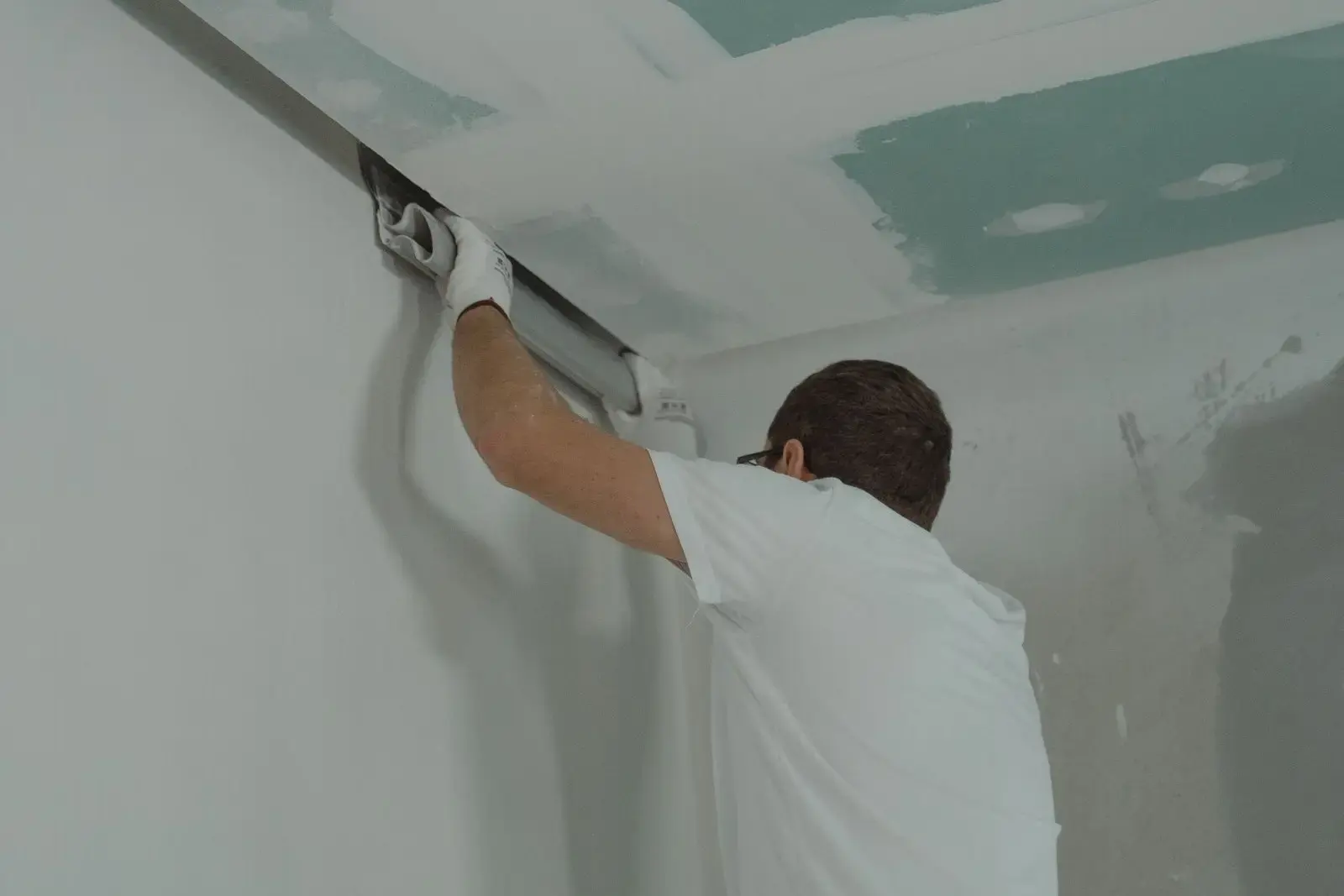
Water Damage Repair
Water damage repair is the rebuild after drying: new drywall, insulation, baseboards, flooring, cabinets and paint.
Learn moreWater where it shouldn't be?
Stop the source if you can, then call. We'll connect you with a local restoration company that serves your ZIP.
Fast callback on emergency requests