Emergency service
Sewage backup cleanup
Sewage backup cleanup is category 3 water work: crews in protective gear remove the waste water and every porous material it touched, clean and disinfect hard surfaces, and dry the area. It is not a do-it-yourself job.
- Fast callback on emergency requests
- Independent local companies that serve your ZIP
- Moisture readings documented for your insurer
- Free to call; the company quotes before work starts
Sewage carries bacteria, viruses and parasites. Carpet, pad, drywall, insulation and upholstered items that it soaks are discarded rather than cleaned. Hard surfaces such as tile, concrete and sealed wood are cleaned, disinfected and dried.
Backups usually come up through the lowest drain in the house: a basement floor drain, shower or toilet. A plumber clears the line, often with a camera inspection. The restoration crew handles the cleanup.
Sewage Backup Cleanup at a glance
- What it is
- Sewage backup cleanup is category 3 water work: crews in protective gear remove the waste water and every porous material it touched, clean and disinfect hard surfaces, and dry the area.
- Urgency
- Same day. Damage grows by the hour.
- Typical steps
- Contain → Remove → Clean and disinfect → Dry and verify
- Who does it
- An independent, local restoration company
Signs
When you need sewage backup cleanup
- Dark water or waste coming up through a floor drain, tub or toilet
- Gurgling drains and a sewage smell
- Several fixtures backing up at once
- Water around a basement toilet or laundry drain
Process
What the crew does
- 1
Contain
The area is isolated so contamination isn't tracked through the house.
- 2
Remove
Waste water is pumped out; contaminated porous materials are bagged and removed.
- 3
Clean and disinfect
Hard surfaces are scrubbed and treated with an antimicrobial.
- 4
Dry and verify
The area is dried to target readings before any rebuild.
Cost
What affects the price
Every job is scoped on site. These are the factors that move the number.
- Area affected and how far the water spread
- Amount of porous material to remove
- Protective equipment and disposal
- Drying days after disinfection
- Drain line repair, handled by a plumber
Before the crew arrives
What you can do, and when to stop
Safe to do
- Keep children and pets out of the area
- Stop using water in the house (no flushing, laundry or showers)
- Turn off HVAC that pulls air from the affected area
Stop and call if
- Any sewage is on porous surfaces like carpet or drywall
- More than a small spot on a hard floor is affected
- You're not sure the line has been cleared
FAQ
Sewage Backup Cleanup questions
Is sewage cleanup covered by homeowners insurance?
Often only with a sewer or water backup endorsement. Many standard policies exclude it, so call your insurer to check.
Can carpet be cleaned after a sewage backup?
No. Industry standards call for discarding carpet and pad that sewage soaked.
Is it safe to stay in the house?
Usually, if the affected area is closed off and you avoid it. People with weak immune systems, infants and older adults should stay elsewhere until cleanup is done.
Available in 45 states
Related
Related services
Flooded Basement Cleanup
Flooded basement cleanup means pumping out the water, removing wet carpet, drywall and insulation that can't be saved, cleaning and disinfecting, and drying the space with dehumidifiers.
Learn more
Water Extraction
Water extraction removes standing and soaked-in water with truck-mounted or portable pumps and extraction wands, so drying can start.
Learn more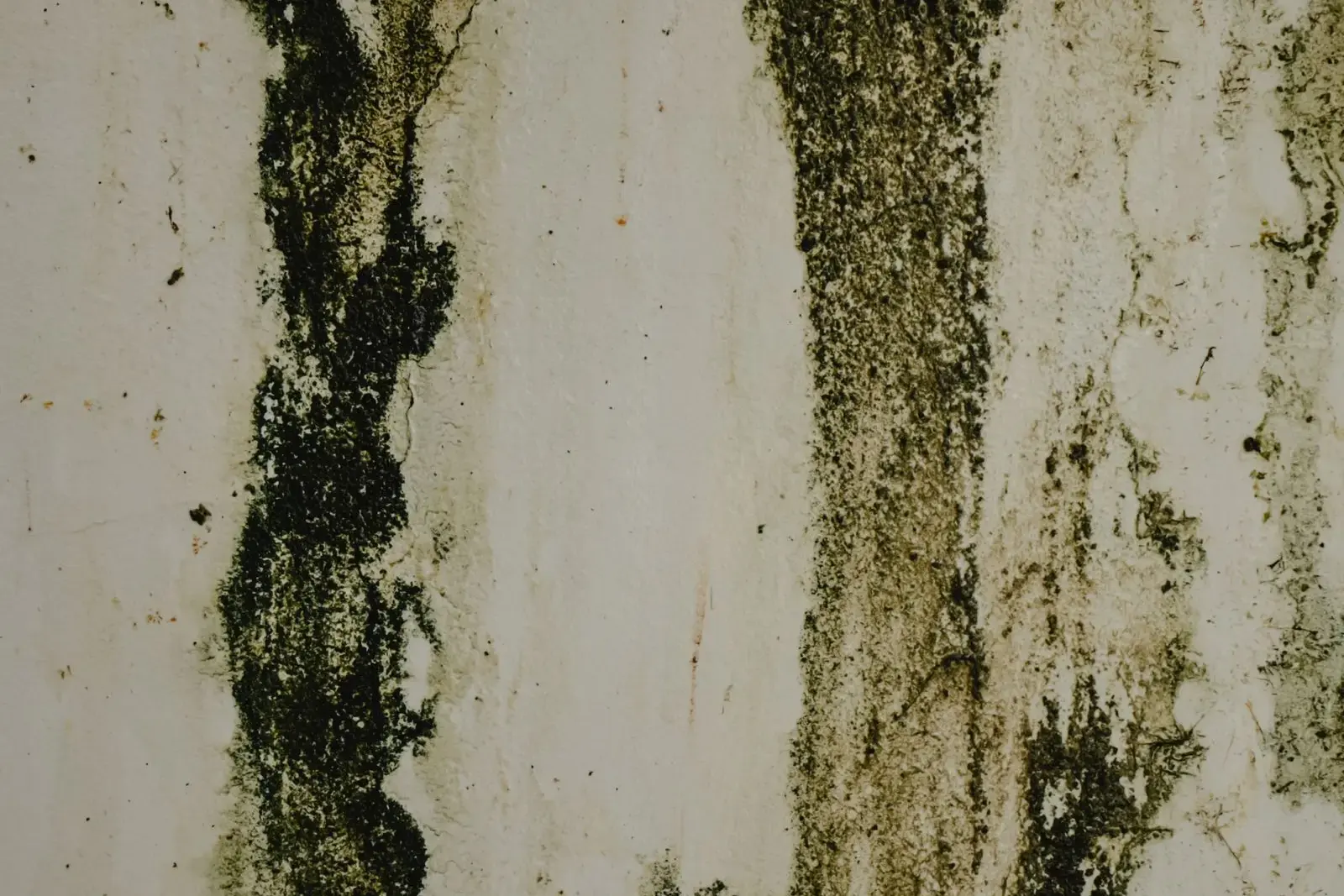
Mold Remediation
Mold remediation contains the affected area, removes moldy porous materials, cleans hard surfaces and fixes the moisture problem that caused it.
Learn moreWater where it shouldn't be?
Stop the source if you can, then call. We'll connect you with a local restoration company that serves your ZIP.
Fast callback on emergency requests