Structural drying and dehumidification
Structural drying removes water that has soaked into drywall, framing, subfloor and cabinets using air movers, commercial dehumidifiers and daily moisture readings. It's done when materials reach a measured dry standard, not when surfaces feel dry.
- Fast callback on emergency requests
- Independent local companies that serve your ZIP
- Moisture readings documented for your insurer
- Free to call; the company quotes before work starts
Surfaces dry long before the materials behind them. Drywall can feel dry to the touch while the bottom plate and insulation are still wet. Structural drying uses moisture meters to set a dry target for each material, then keeps equipment running until readings match it.
Crews often drill small holes behind baseboards or remove the bottom of drywall to push air into wall cavities. That is far less demolition than tearing out whole walls, and it's why fast water extraction matters.
Structural Drying at a glance
- What it is
- Structural drying removes water that has soaked into drywall, framing, subfloor and cabinets using air movers, commercial dehumidifiers and daily moisture readings.
- Urgency
- Soon. Start within a day or two.
- Typical steps
- Moisture map → Controlled demolition → Drying setup → Daily monitoring
- Who does it
- An independent, local restoration company
Signs
When you need structural drying
- Drywall that feels soft or shows a tide line
- Baseboards swelling or separating from the wall
- Hardwood cupping or laminate lifting at seams
- A musty smell a few days after a leak
- Cabinet bases that are swollen or delaminating
Process
What the crew does
- 1
Moisture map
Readings are taken across floors and walls to find the edge of the wet area.
- 2
Controlled demolition
Only materials that can't be dried, such as soaked pad or swollen particleboard, are removed.
- 3
Drying setup
Air movers, dehumidifiers and, where needed, wall-cavity or floor drying systems are placed.
- 4
Daily monitoring
Readings are logged each day and equipment adjusted until materials reach dry standard.
Before and after
What the result can look like
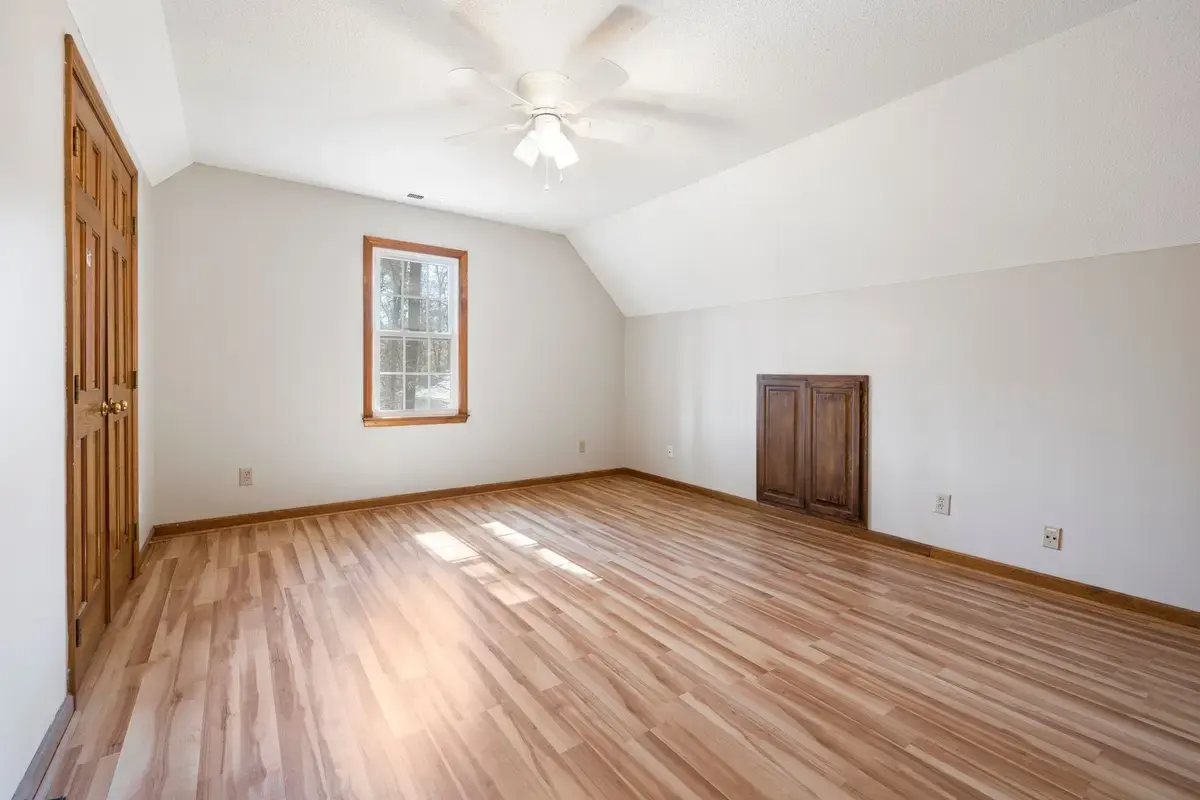
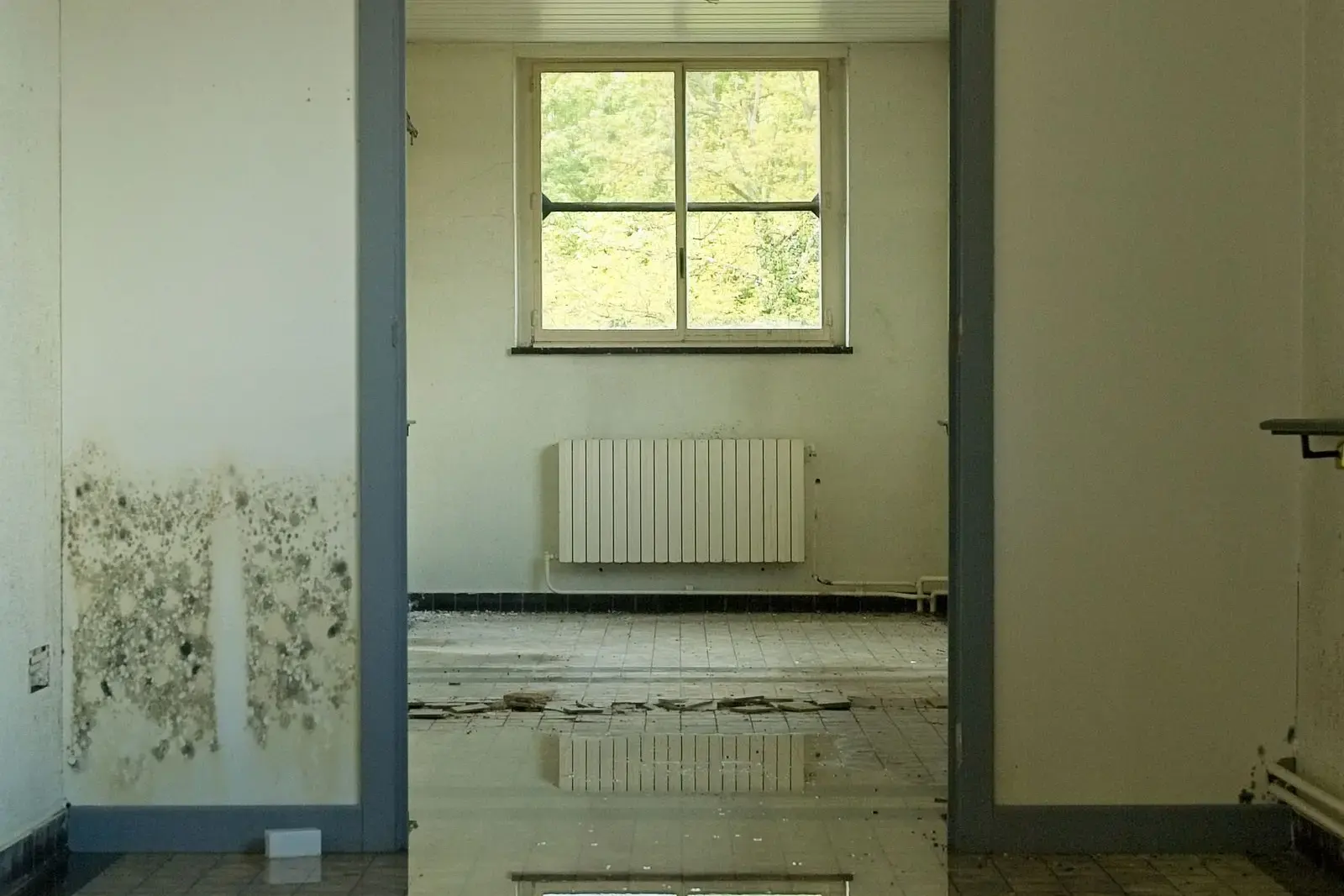
Water-damaged room
Extraction and drying to measured dry readings before new flooring and paint.
Illustrative example using stock photos, not a job by a company in our network.
Cost
What affects the price
Every job is scoped on site. These are the factors that move the number.
- Size of the affected area and number of rooms
- Materials involved: hardwood, tile, drywall, plaster
- Days of drying and amount of equipment
- Whether cabinets or walls need cavity drying
- Monitoring visits and documentation for the insurer
Before the crew arrives
What you can do, and when to stop
Safe to do
- Run your HVAC with the thermostat set normally to keep air moving
- Open cabinet doors and pull out drawers under wet areas
- Lift area rugs and pull furniture away from walls
Stop and call if
- Water got into walls, under hardwood or into the subfloor
- Readings or smell persist after two days
- Anyone in the home has asthma or a weak immune system
FAQ
Structural Drying questions
How long does structural drying take?
Most clean-water losses dry in 3 to 5 days. Hardwood, plaster and dense materials can take longer. The crew should show you daily readings.
Is the equipment loud?
Yes. Air movers and dehumidifiers run around the clock and are noticeable. Turning them off early is the most common reason drying fails.
Can hardwood floors be saved?
Often, if drying starts quickly. Specialty floor-drying mats pull water up through the boards. Cupping may flatten as the floor dries.
Available in 45 states
Related
Related services
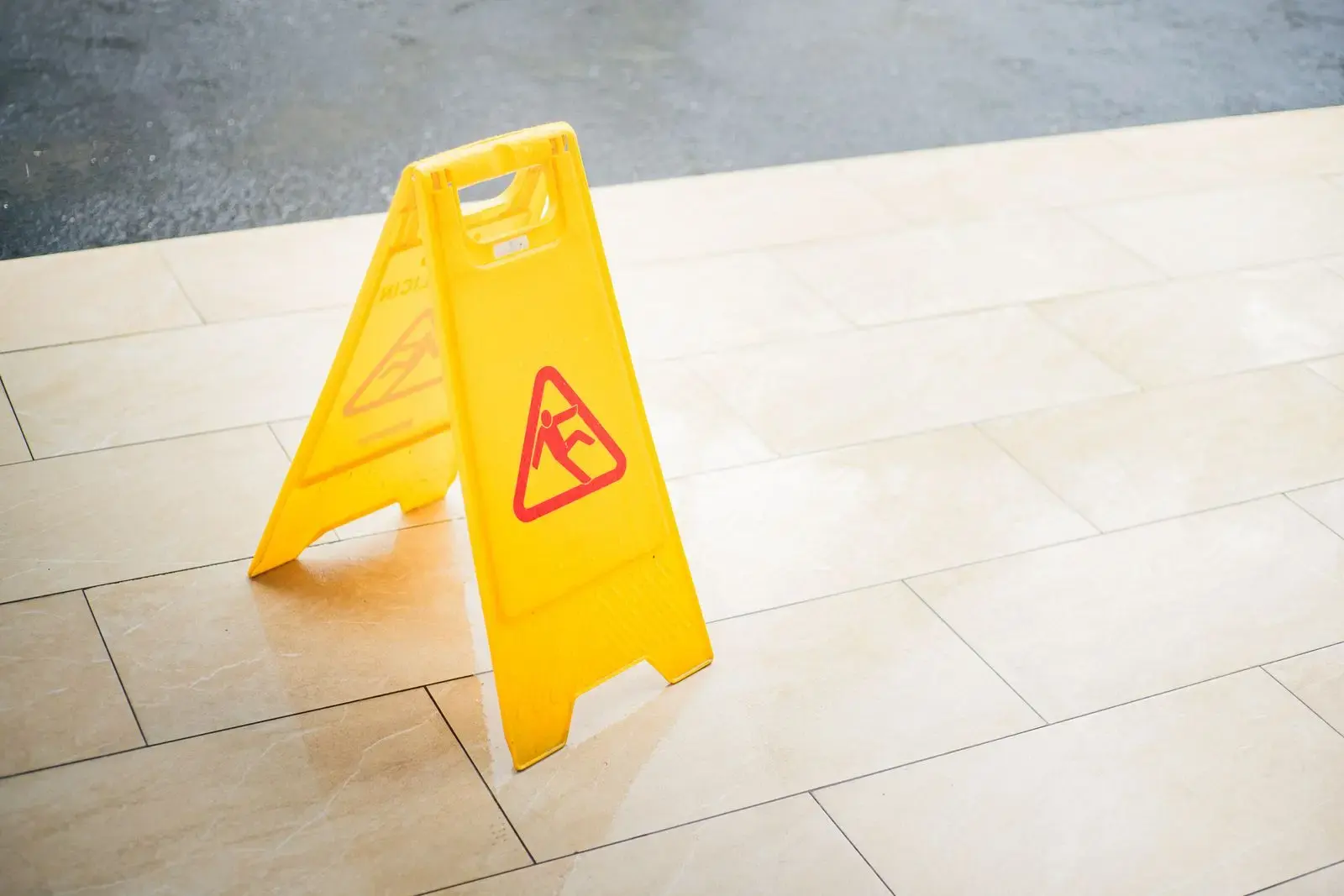
Water Extraction
Water extraction removes standing and soaked-in water with truck-mounted or portable pumps and extraction wands, so drying can start.
Learn more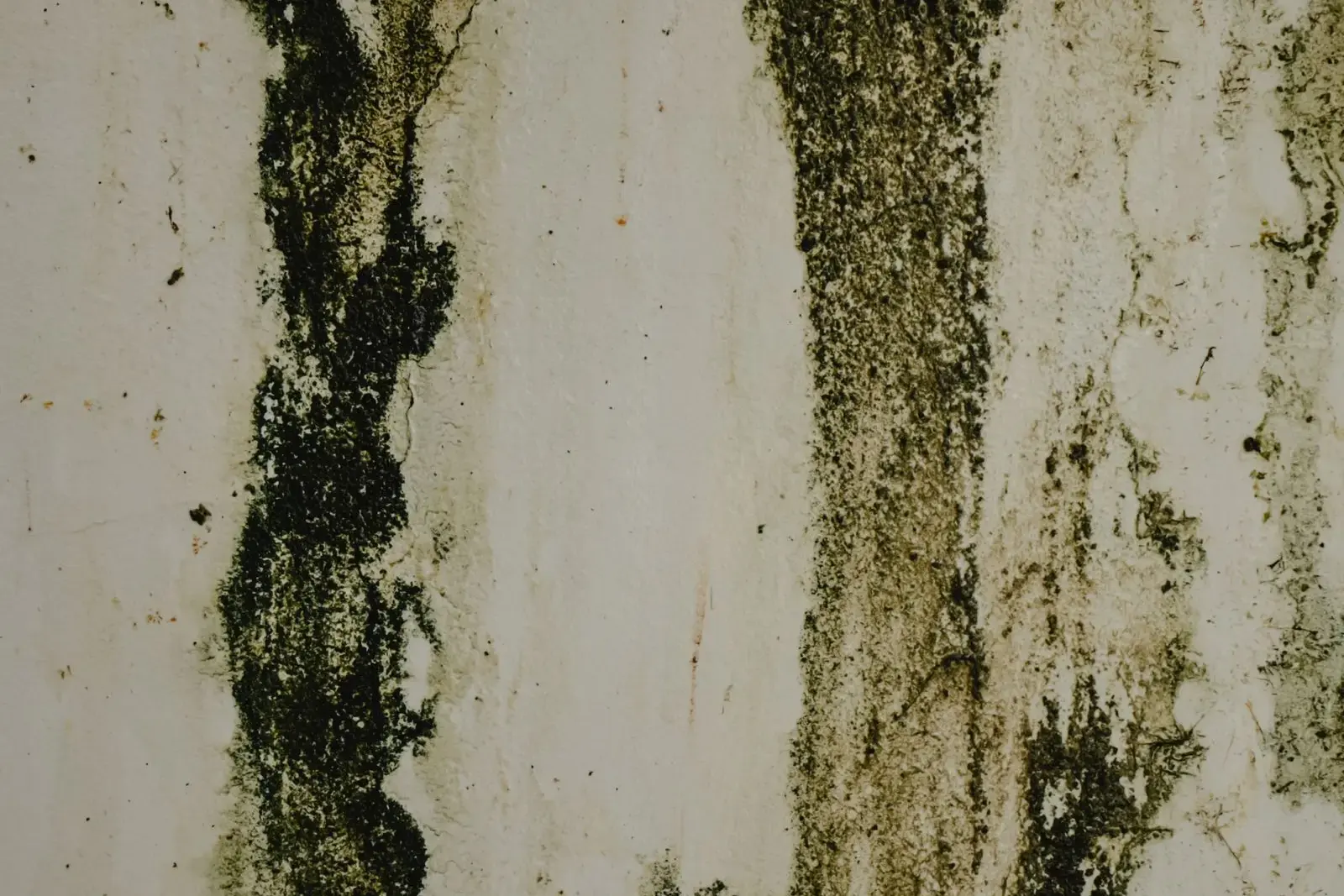
Mold Remediation
Mold remediation contains the affected area, removes moldy porous materials, cleans hard surfaces and fixes the moisture problem that caused it.
Learn more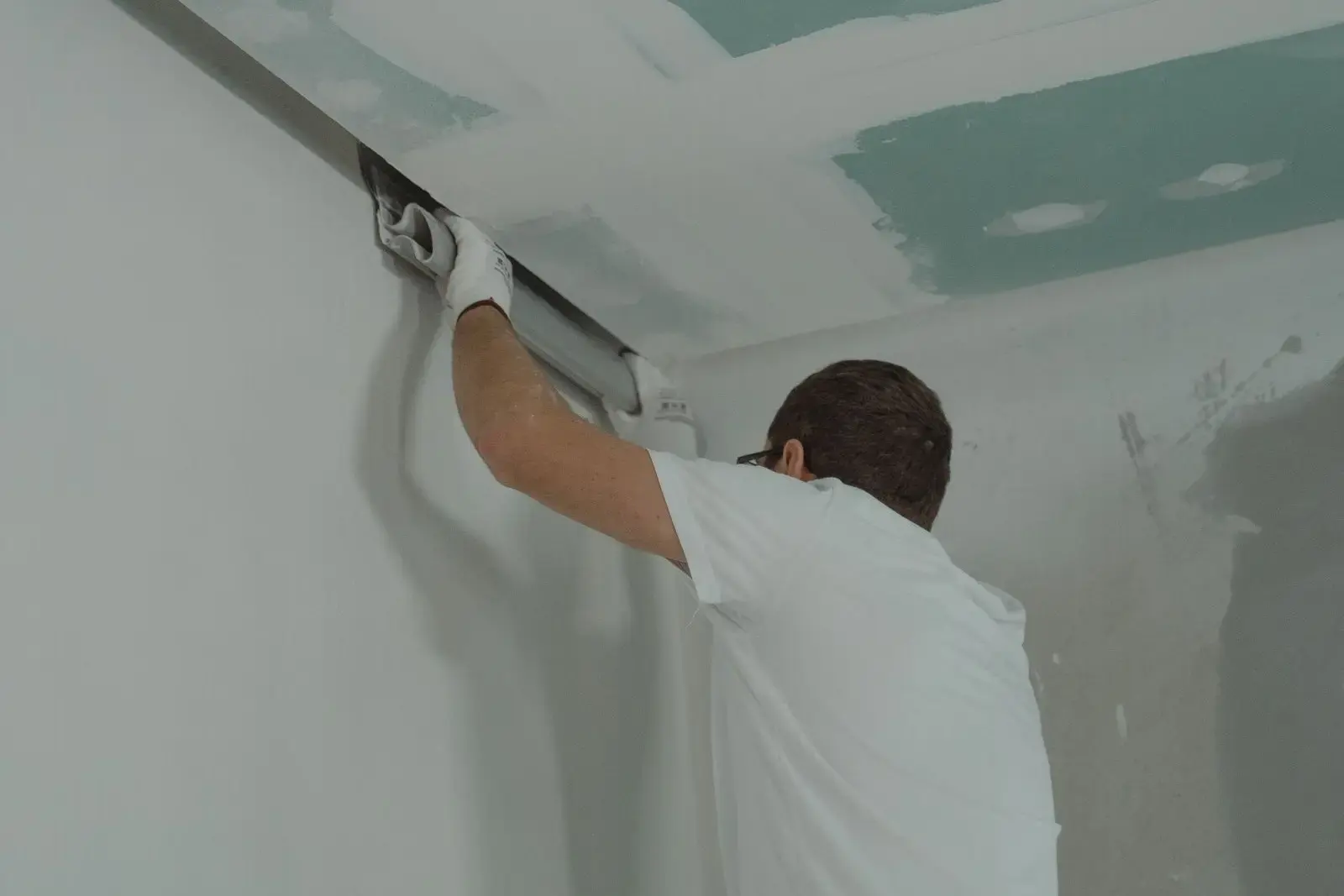
Water Damage Repair
Water damage repair is the rebuild after drying: new drywall, insulation, baseboards, flooring, cabinets and paint.
Learn moreWater where it shouldn't be?
Stop the source if you can, then call. We'll connect you with a local restoration company that serves your ZIP.
Fast callback on emergency requests