Short answer
Flood repair starts only after the house is dry — rebuilding over wet materials traps moisture and grows mold. Drywall and insulation usually get cut out up to the water line, flooring is judged piece by piece, and electrical and HVAC are inspected before power is fully restored. A small room can take a couple of weeks to repair; a whole floor can take a month or more.
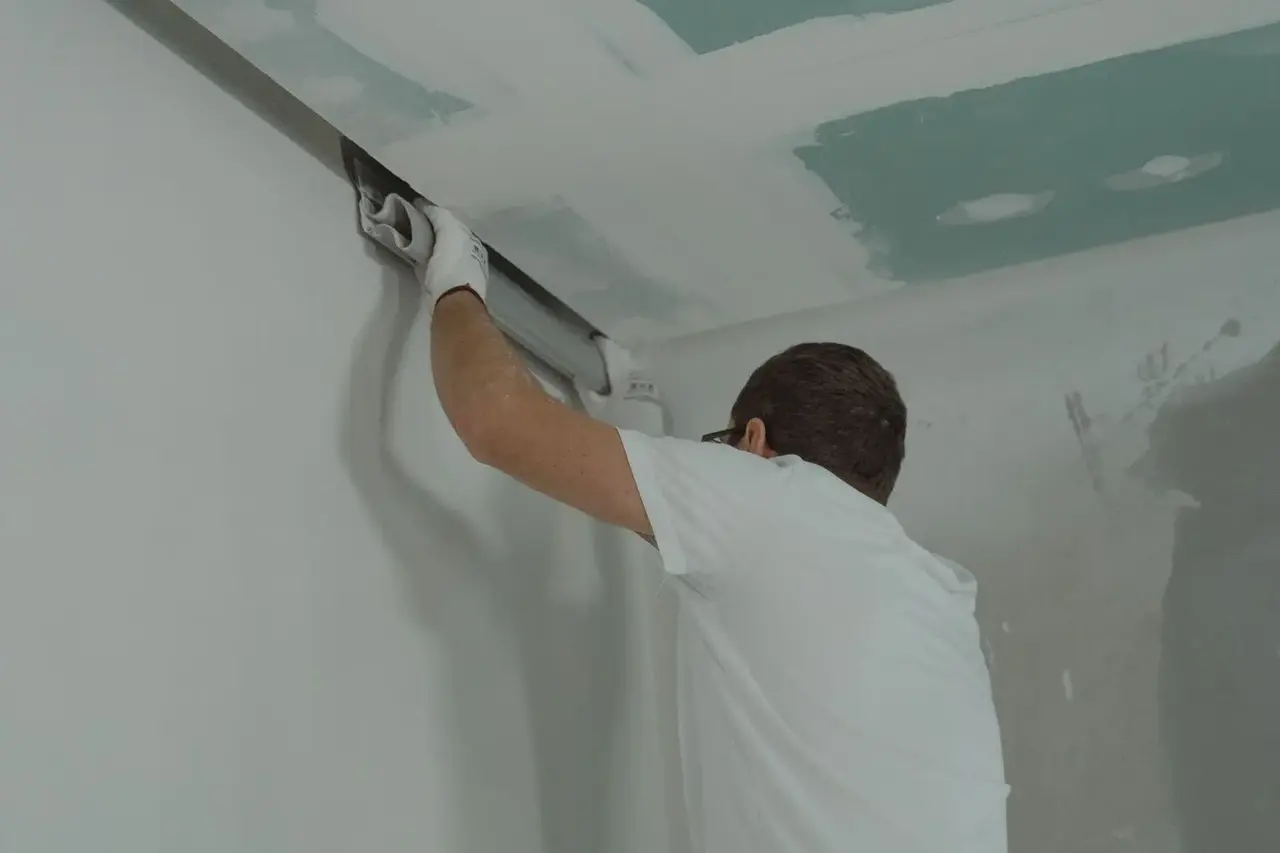
Repair starts only after drying finishes
It is tempting to start rebuilding as soon as the water is out, but repairs that go over wet materials fail. Drywall that is still damp softens and grows mold behind new paint, wood flooring that is still wet keeps cupping, and adhesives do not bond to damp subfloor. A crew considers the structure dry only when moisture meter readings match a dry area of the same house — not when the floor feels dry to the touch. Drying usually takes three to five days for a clean-water loss, longer for a finished basement or a whole floor. Until the readings are right, the only work that should happen is removing what cannot be saved and keeping air moving. See how long water damage takes to dry.
Drywall and ceilings: what gets cut out
Drywall that soaked in floodwater rarely gets dried in place. It loses strength when wet, and the paper facing holds moisture and contamination, so crews usually cut it out in a straight line above the water mark — often 12 to 24 inches above it — and remove the wet insulation behind it. The wall cavity is then cleaned and dried before new drywall goes in. Drywall that only got damp from humidity, without soaking, can sometimes be dried and kept, but that is a judgment for the crew with a meter, not a guess. Ceilings follow the same rule: a ceiling that sagged or stayed wet gets cut out, because wet drywall overhead can fall. After repairs, new drywall is taped, mudded and painted, and the seams should be invisible — if you can see the repair line, the finish work is not done.
Flooring: what can be saved and what gets replaced
Flooring is judged piece by piece, because each material reacts differently to water:
- Tile and concrete: usually the best survivors. Tile can be cleaned and kept if the grout and subfloor underneath are dry; concrete floors clean up well once dry.
- Solid hardwood: can sometimes be saved. Boards may cup as they dry, and many flatten again over a few weeks with dehumidifiers running. If boards stay cupped, cracked or buckled after drying, they are replaced.
- Laminate and engineered wood: usually replaced. The fiberboard core swells when it soaks and does not go back, and the joints open up.
- Carpet: the carpet itself can often be cleaned and re-laid if the water was clean, but wet carpet pad is almost always removed — it holds water and odor and rarely dries cleanly.
- Vinyl and linoleum: sheet goods often trap water underneath, so they are usually lifted to dry the subfloor, and replaced if the backing is damaged.
- Subfloor: checked with a meter before any new flooring goes down. A wet subfloor will ruin new flooring from below, so it must be dry first, and sections that swelled or rotted are cut out and replaced.
Trim, doors and cabinets
Baseboards are usually removed early in the job, because they trap water against the bottom of the drywall and slow drying. Painted wood trim that soaked often swells and is replaced; solid wood trim can sometimes be dried, sanded and repainted. Doors that swelled may shrink back as they dry, but a door that still sticks after drying usually needs planing or replacing. Cabinets are the hardest call: solid wood cabinets can often be dried and saved, while particle-board cabinets that soaked usually swell and fall apart and are replaced. Kick plates and toe-kicks are removed so the floor beneath the cabinets can dry — a hidden wet spot under a kitchen cabinet is a common source of mold months later.
Electrical and HVAC after a flood
Anything electrical that sat in floodwater is treated with suspicion, and this is work for licensed trades, not a homeowner with a screwdriver. Outlets, switches and wiring below the water line are usually replaced, and the electrical panel is inspected by an electrician before full power is restored. If water reached the furnace, air handler or water heater, the unit is inspected before it is run again — a wet furnace can spread contamination through the ductwork, and gas appliances need a technician to check the burners and controls. Ductwork that flooded may need cleaning or replacement of the affected sections. Never switch power back on to a wet area yourself; if the breaker panel was under water, keep the power off and call an electrician.
Contents: furniture, appliances and personal items
Hard furniture — wood tables, metal shelving, plastic items — can usually be washed and kept once dry. Upholstered furniture, mattresses and anything porous that soaked in floodwater, especially sewage-contaminated water, is usually thrown away rather than cleaned. Appliances are assessed by a technician before they are plugged back in: a dishwasher or washing machine that sat in water may be repairable, but a refrigerator that flooded is often replaced. Do not power on wet electronics to see if they still work — water inside can short them and destroy what was recoverable. Photographs, documents and books that got wet should be handled gently and, if they matter, taken to a document recovery specialist quickly; freezing wet papers can buy time. Photograph everything before it is moved or thrown away, and keep a list for your insurer.
The repair order, and how long it takes
A flood repair follows the same order almost every time, and skipping a step is what causes repeat problems:
- Extract the water and stop the source — a plumber fixes the leak; the crew removes the water.
- Dry the structure with air movers and dehumidifiers, checked with moisture readings.
- Remove what cannot be saved: wet drywall and insulation, swollen flooring, damaged trim.
- Clean and disinfect the exposed structure, and have electrical and HVAC inspected and signed off.
- Rebuild: new drywall, flooring, trim and cabinets, then paint and finish.
- Final check: moisture readings again, and a walk-through to catch missed spots behind baseboards and under cabinets.
When to call a professional
Call a restoration company when the water covered more than a small area, soaked into walls or flooring, came from a sewer or from outside the house, or when you are unsure what is wet behind the walls. A crew documents moisture readings and the work done, which your insurer will ask for, and can tell you what is safe to handle yourself and what is not. DryBridge connects you with local restoration crews any time, day or night — call (833) 462-1975. If you are filing a claim, call your insurer the same day, keep the claim number, and take photos and video before you move much.
Questions
How long does flood damage repair take?
It depends on how much of the house was affected. A single small room is often repaired in a couple of weeks once it is dry; a whole floor can take a month or more. Drying itself takes several days first, and ordering materials, permits and the insurance process can add time on top of the work itself.
Can I live in the house during flood repairs?
Sometimes, if one part of the house stayed dry and the power, water and a bathroom work. If the water was sewage, if the whole house was affected, or if there is no power or hot water, it is usually not practical until the cleaning and drying are done. Ask the crew — they can tell you honestly whether staying is safe.
Does flood repair need a permit?
Often, yes, for structural, electrical or plumbing work — but the rules vary by town, and the contractor usually handles the permit as part of the job. Ask before work starts so the repair is not held up by an inspection later.
Will my insurance cover flood damage repair?
It depends on the cause and your policy. A sudden pipe burst is usually covered. Rising water from outside the house usually needs a separate flood policy, and a sewer backup usually needs its own endorsement. Whatever the cause, document everything with photos and moisture readings, open the claim the same day, and keep every invoice.
Should I replace drywall or just dry it?
Drywall that soaked in floodwater is usually cut out above the water line, because it loses strength and holds moisture and contamination. Drying alone is only an option for drywall that got damp without soaking — and that is a call for the crew with a moisture meter, not a guess.
This guide is general information, not professional, legal or insurance advice. Follow your insurer's instructions and local codes, and put safety first.