Water damage restoration in Seattle, WA
Seattle's water damage is mostly slow and steady. From October through April, months of rain find weak spots in roofs, flashing and windows, and saturated hillside soil pushes water toward foundations. Moss holds moisture on shaded roofs and lifts shingles. Hard freezes are rare, but cold snaps like December 2022 still burst pipes in crawl spaces and exterior walls, and heavy rain can overwhelm the combined sewer in older parts of the city.
- Fast callback on emergency requests
- King County · 55 ZIP codes
Local conditions
What causes water damage in Seattle
Early-1900s Craftsman homes and bungalows in neighborhoods such as Ballard, Wallingford and Capitol Hill have basements or crawl spaces and older plumbing. Mid-century ramblers and newer townhomes fill in elsewhere. In Seattle, the property owner is generally responsible for the side sewer line from the house to the public main, so a backup or broken side sewer is usually the homeowner's to fix.
Roof and window leaks
Months of rain find worn flashing, moss-lifted shingles and failed window seals. The damage often shows up as rot or mold before a drip does.
Crawl space and basement moisture
Persistent damp in crawl spaces and older basements leads to mold on framing. Vapor barriers and drainage keep it in check.
Hillside drainage
On sloped lots, groundwater and runoff flow toward the uphill foundation wall. Clogged footing drains make it worse.
Common calls
Most requested in Seattle
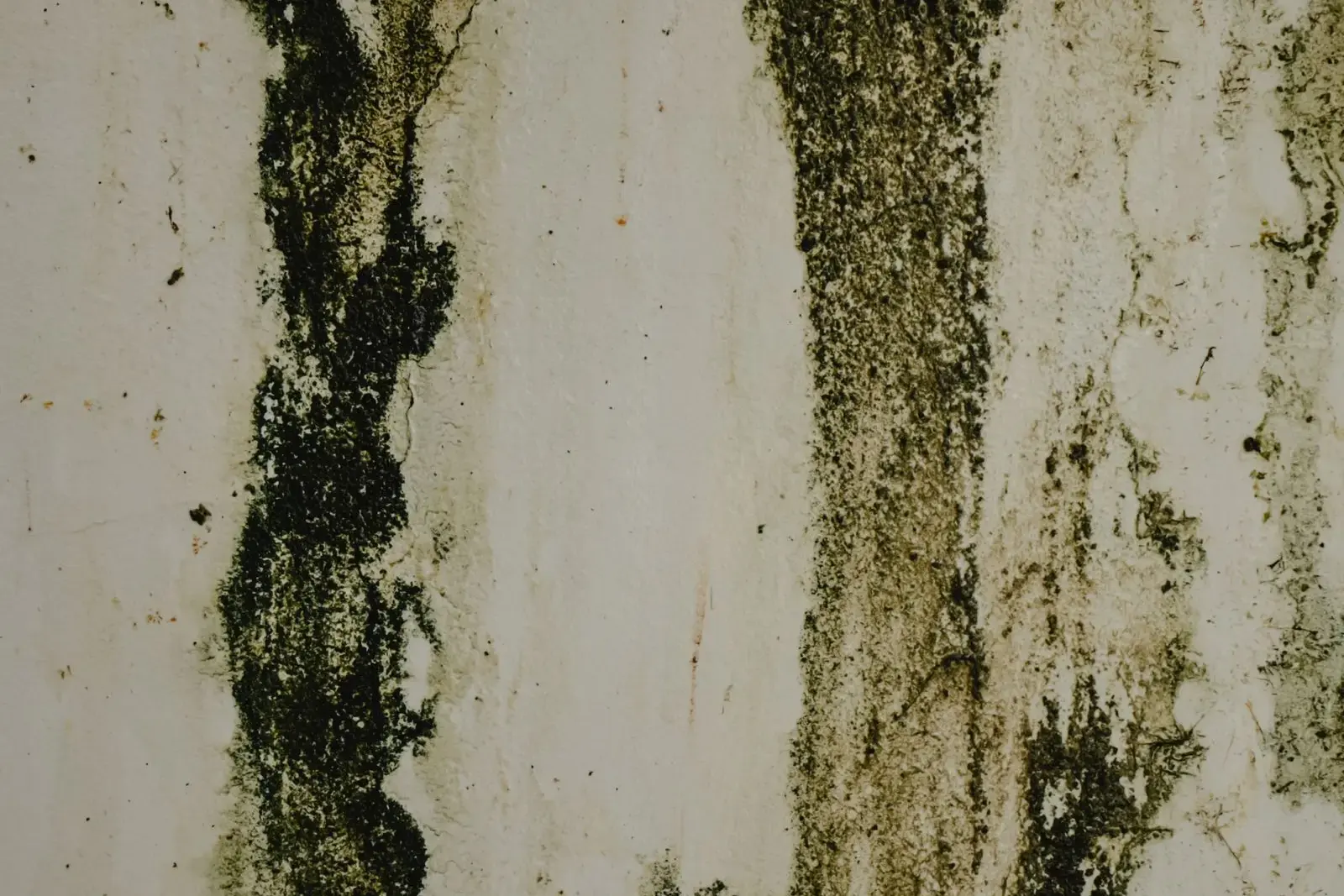
Mold Remediation
Mold remediation contains the affected area, removes moldy porous materials, cleans hard surfaces and fixes the moisture problem that caused it.
Learn more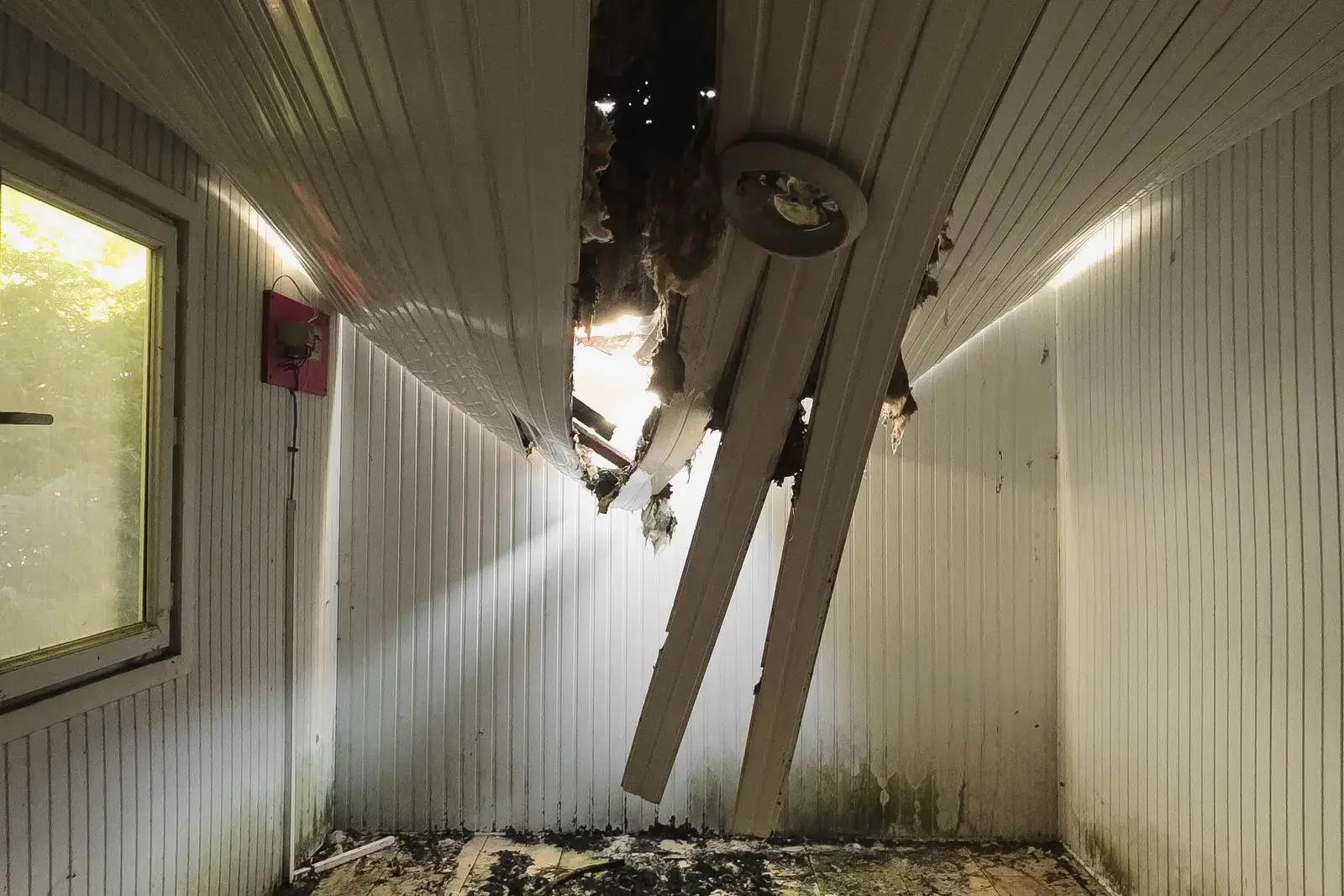
Ceiling Leak Water Damage
A wet ceiling needs the leak stopped at its source (roof, plumbing, HVAC drain or a bathroom above), the ceiling cavity dried, and damaged drywall and insulation replaced.
Learn more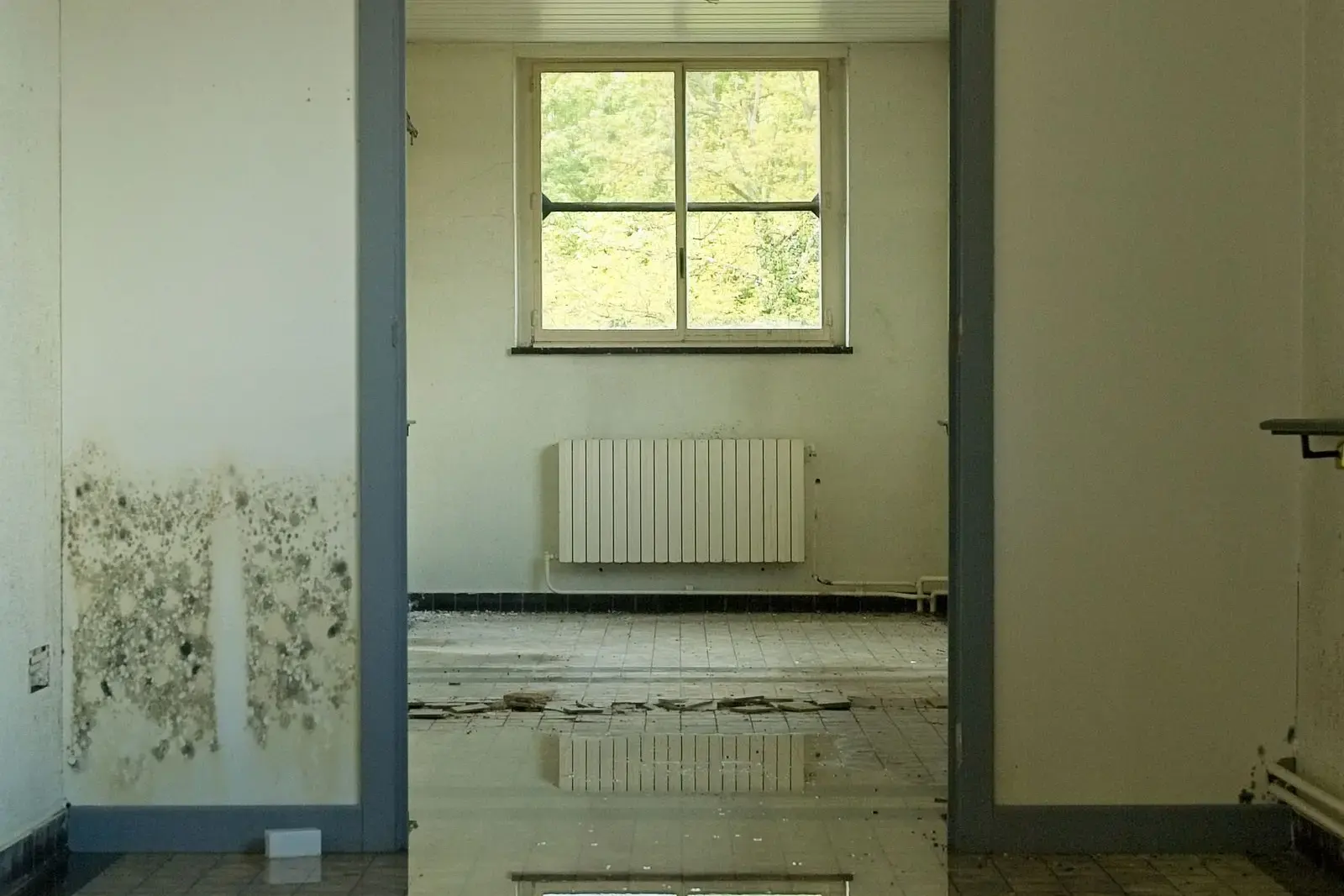
Structural Drying
Structural drying removes water that has soaked into drywall, framing, subfloor and cabinets using air movers, commercial dehumidifiers and daily moisture readings.
Learn more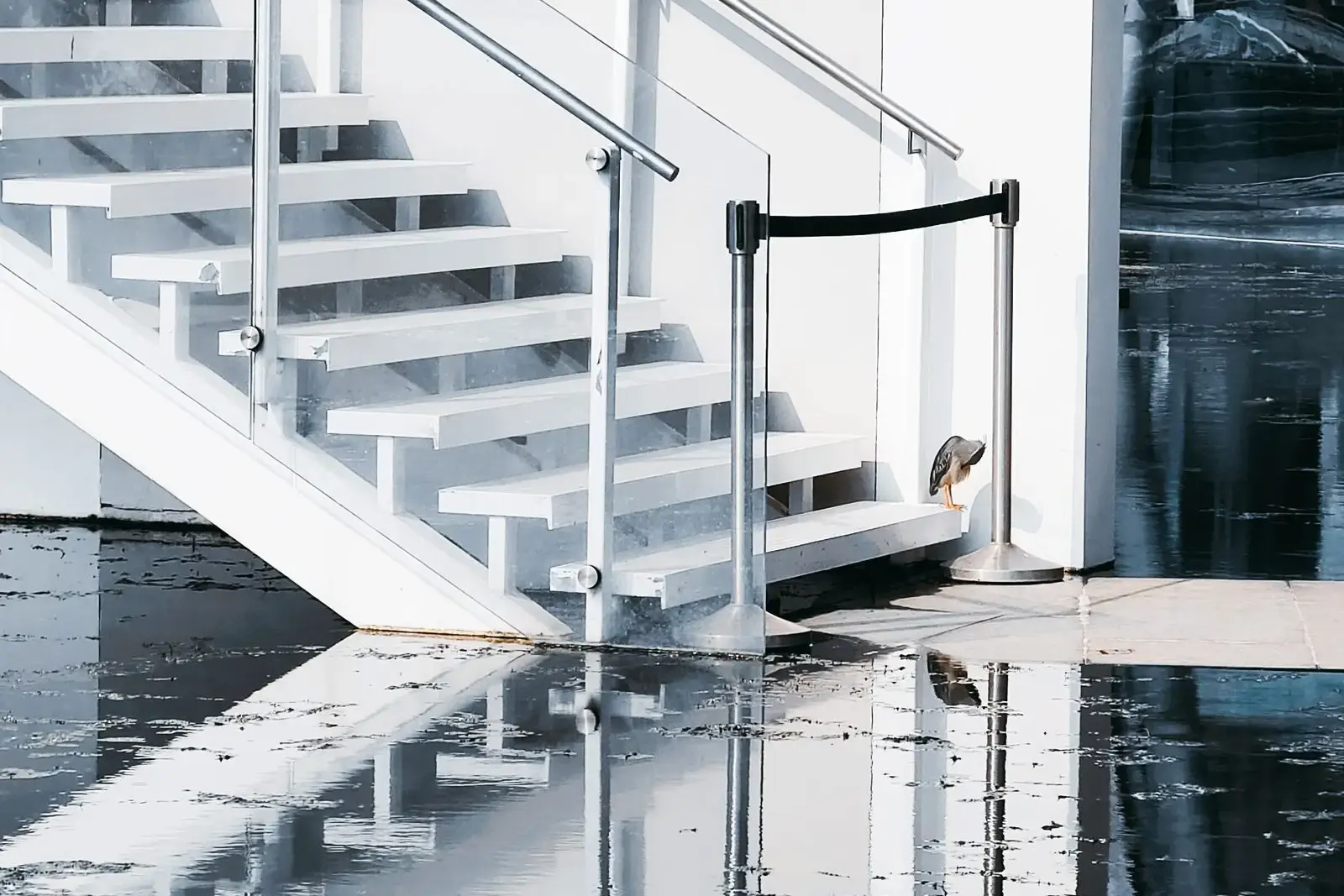
Flooded Basement Cleanup
Flooded basement cleanup means pumping out the water, removing wet carpet, drywall and insulation that can't be saved, cleaning and disinfecting, and drying the space with dehumidifiers.
Learn moreAlso available: emergency water removal and every water damage service.
Seattle at a glance
- County
- King County, Washington
- ZIP codes covered
- 98101, 98102, 98103, 98104, 98105, 98106, 98107, 98108, 98109, 98111, 98112, 98113, 98114, 98115, 98116, 98117, 98118, 98119, 98121, 98122, 98124, 98125, 98126, 98127, 98129, 98133, 98134, 98136, 98139, 98141, 98144, 98145, 98146, 98148, 98154, 98155, 98158, 98161, 98164, 98165, 98166, 98168, 98170, 98174, 98175, 98177, 98178, 98181, 98185, 98188, 98191, 98194, 98195, 98198, 98199
- Main local risks
- Roof and window leaks, Crawl space and basement moisture, Hillside drainage
- Licensing
- See the Washington page for the licensing board to check
FAQ
Seattle questions
How do I prevent mold in a Seattle home?
Fix leaks quickly, clean gutters in fall, run bath and kitchen fans, and use a dehumidifier in basements and crawl spaces through the wet season.
Who fixes a broken side sewer in Seattle?
The property owner is generally responsible for the side sewer. A plumber or side sewer contractor handles the line; a restoration company handles the cleanup inside.
Guides
Also covered in King County
Bellevue · Kent · Renton · Federal Way · Kirkland · Auburn · Redmond · Sammamish · Shoreline · Burien · Bothell · Issaquah · SeaTac · Maple Valley · Mercer Island · Kenmore · Tukwila · Snoqualmie
Water damage in Seattle?
Stop the source if you can, then call. We'll connect you with a local restoration company that serves your ZIP.
Fast callback on emergency requests