Water damage services
Water damage restoration covers removing the water, drying the structure to a measured standard, dealing with contamination or mold, and rebuilding what had to come out. Start with what happened.
Emergency water removal
Standing water, burst pipes, sewage and storm water that needs to come out now.
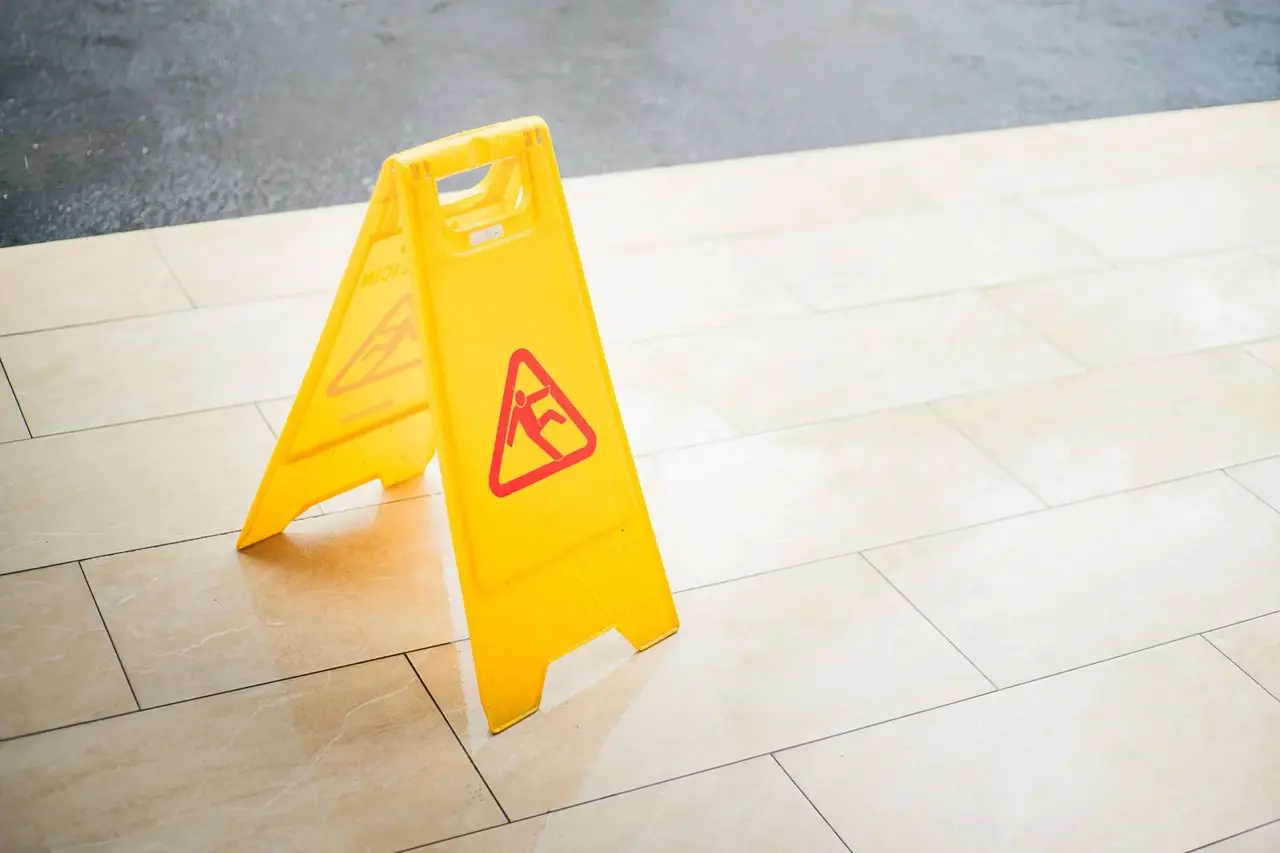
Water Extraction
Water extraction removes standing and soaked-in water with truck-mounted or portable pumps and extraction wands, so drying can start. The sooner it's out, the less drywall, flooring and cabinetry has to be torn out.
About water extraction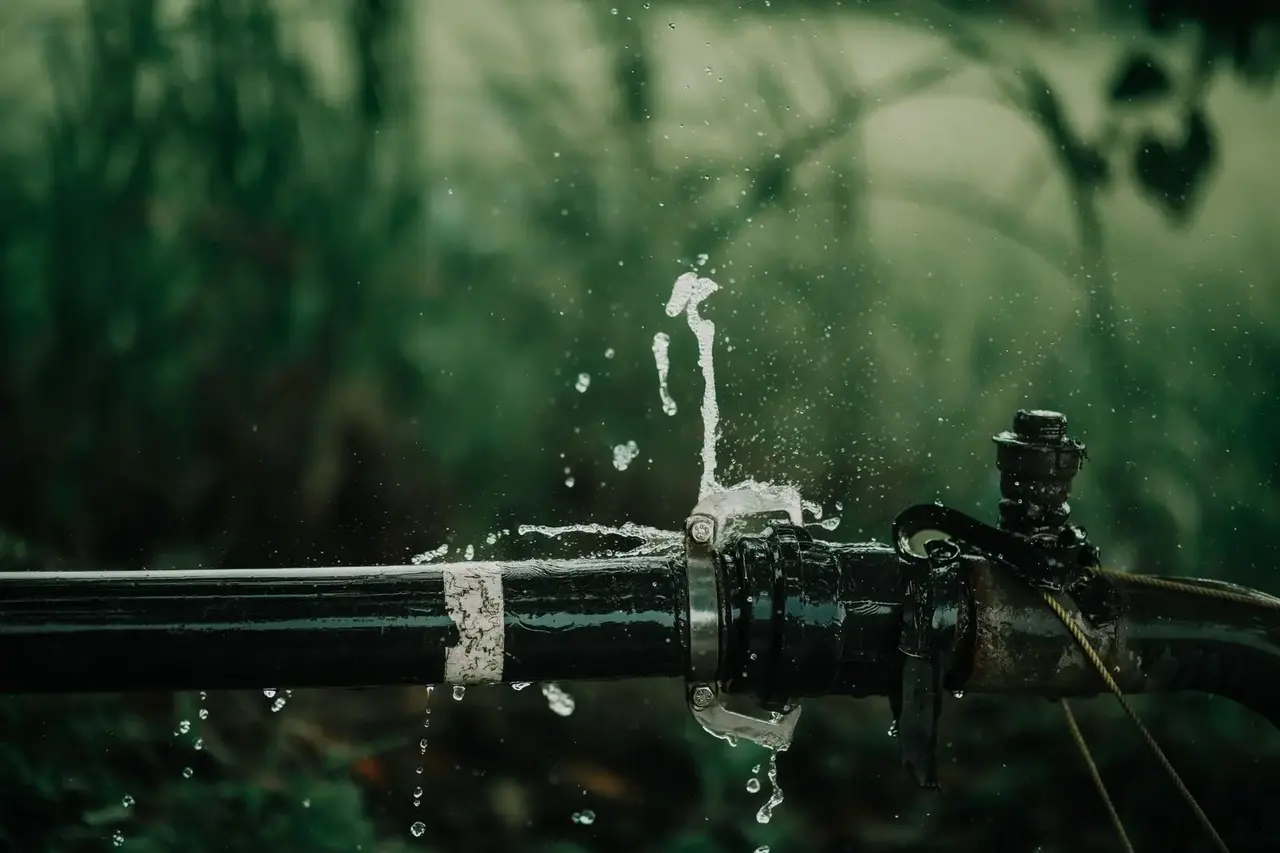
Burst Pipe Cleanup
When a pipe bursts, shut off the main water valve first, then get water extraction and drying started. A plumber repairs the pipe, and a restoration crew removes the water and dries the walls, floors and ceilings it reached.
About burst pipe cleanup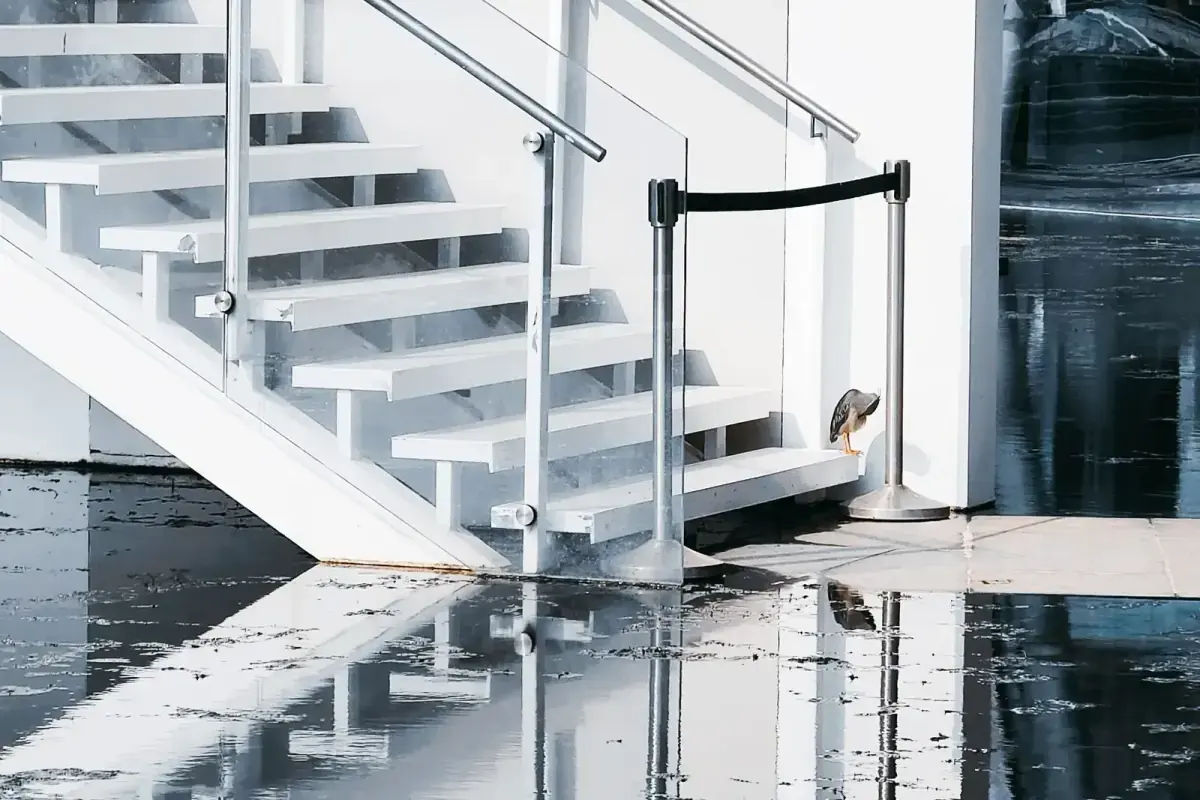
Flooded Basement Cleanup
Flooded basement cleanup means pumping out the water, removing wet carpet, drywall and insulation that can't be saved, cleaning and disinfecting, and drying the space with dehumidifiers. Groundwater and sewer water are treated as contaminated.
About flooded basement cleanup
Sewage Backup Cleanup
Sewage backup cleanup is category 3 water work: crews in protective gear remove the waste water and every porous material it touched, clean and disinfect hard surfaces, and dry the area. It is not a do-it-yourself job.
About sewage backup cleanup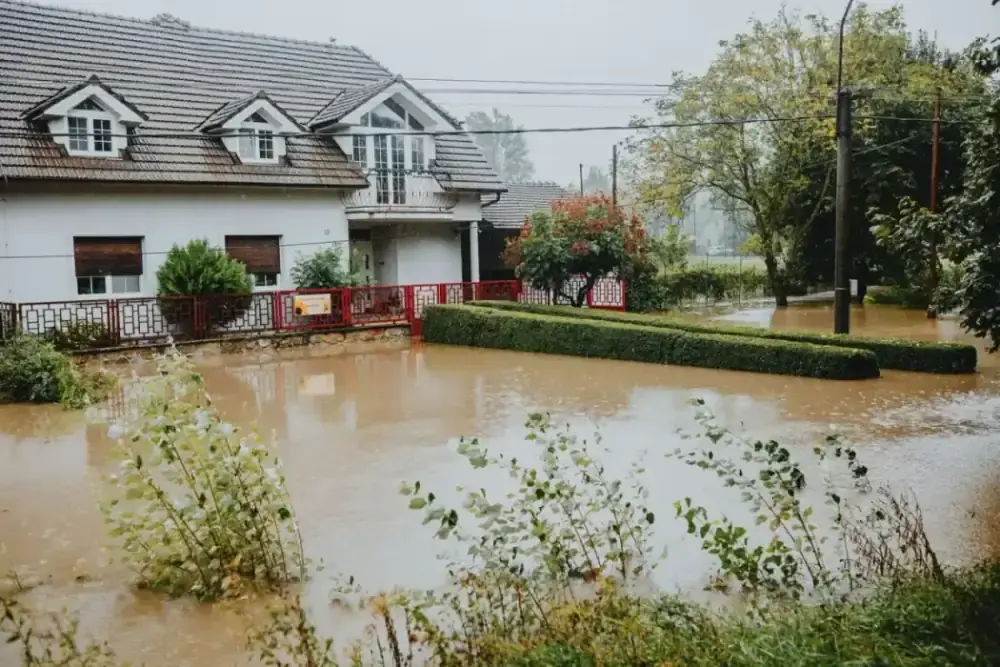
Storm and Flood Damage
Storm and flood cleanup removes outside water that entered through the roof, windows, doors or foundation, discards porous materials it contaminated, and dries the structure. Floodwater is treated as category 3 because it carries soil, chemicals and sewage.
About storm and flood damageDrying and leak cleanup
Moisture mapping and drying for walls, floors and cabinets after a leak.
Structural Drying
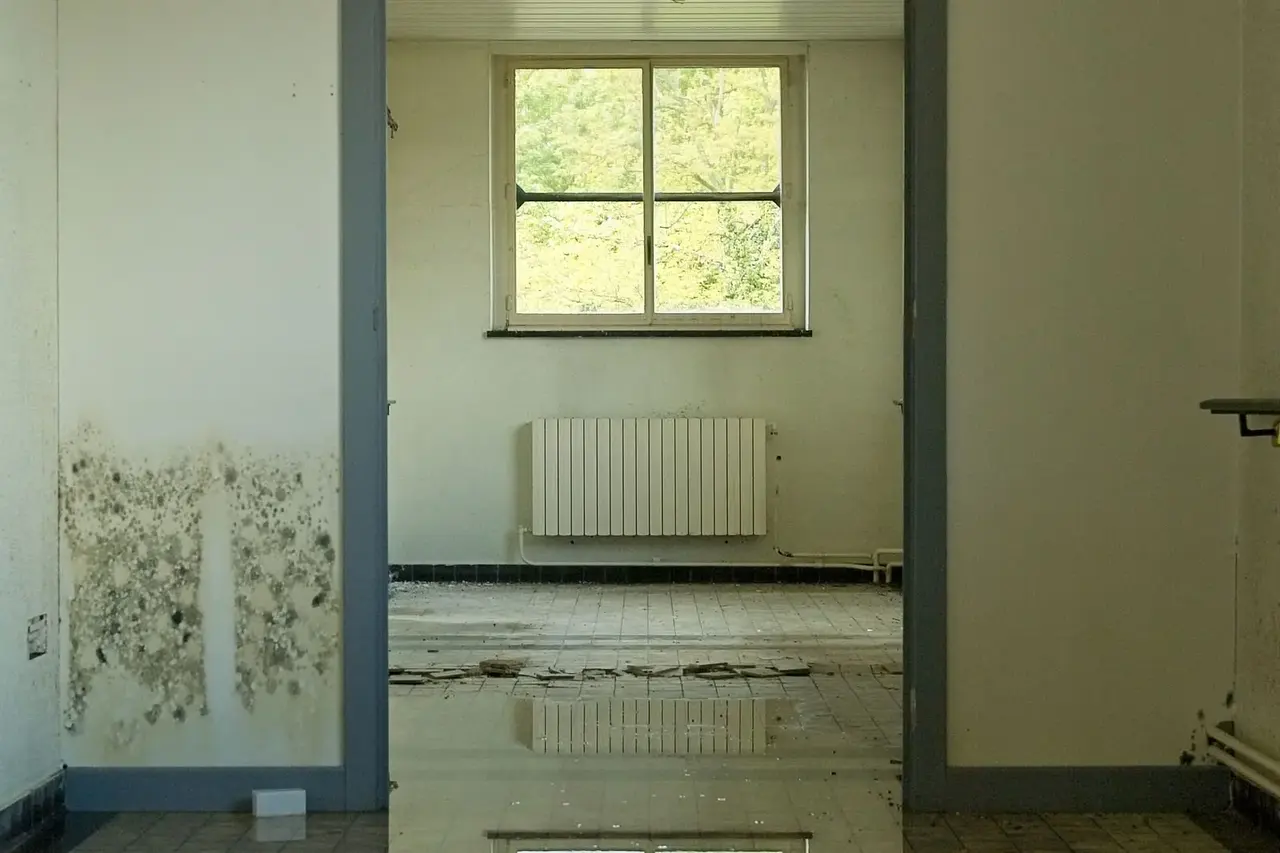
Structural drying removes water that has soaked into drywall, framing, subfloor and cabinets using air movers, commercial dehumidifiers and daily moisture readings. It's done when materials reach a measured dry standard, not when surfaces feel dry.
About structural drying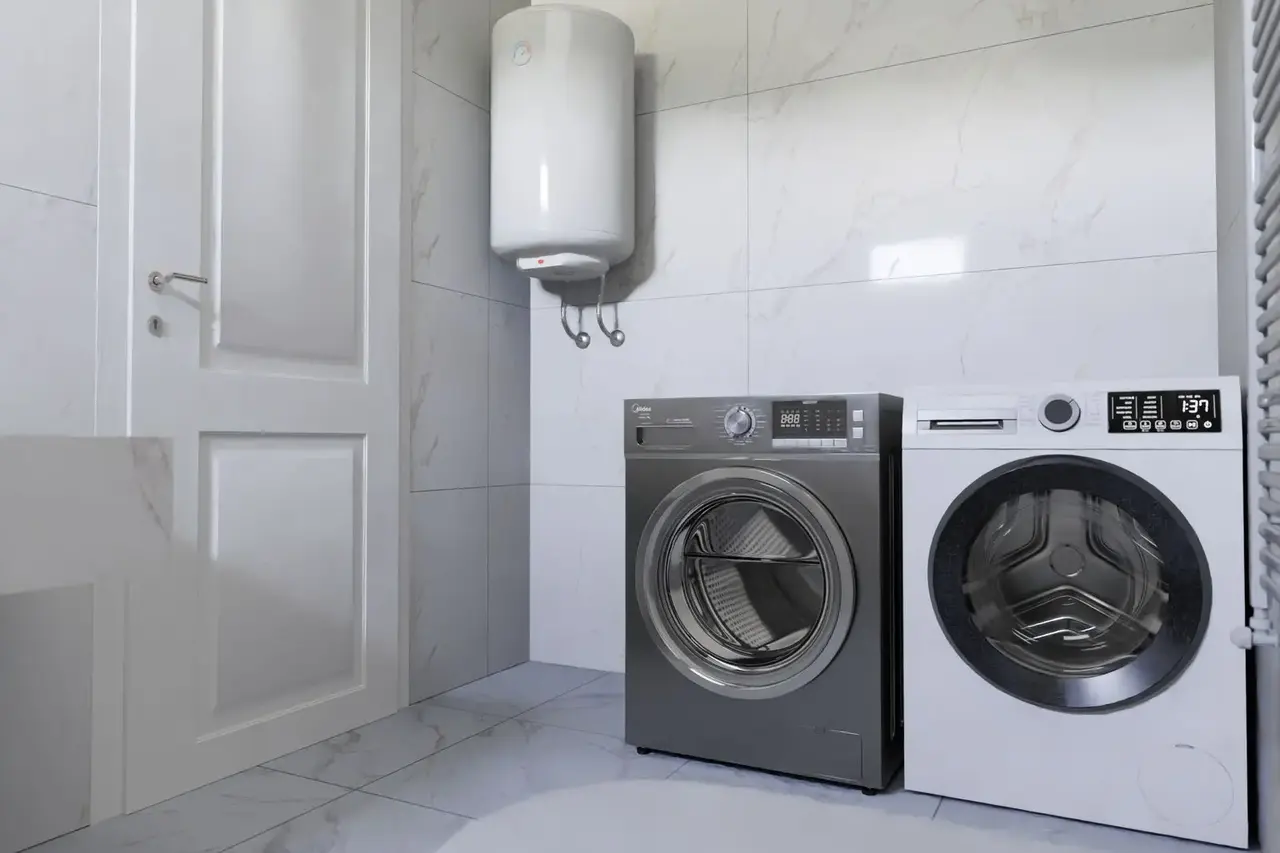
Appliance Leak Cleanup
Appliance leaks from water heaters, washing machine hoses, dishwashers, fridge ice-maker lines and AC drain pans often run under flooring and cabinets unseen. Cleanup means stopping the supply, finding how far the water spread, and drying the subfloor and cabinets.
About appliance leak cleanupMold
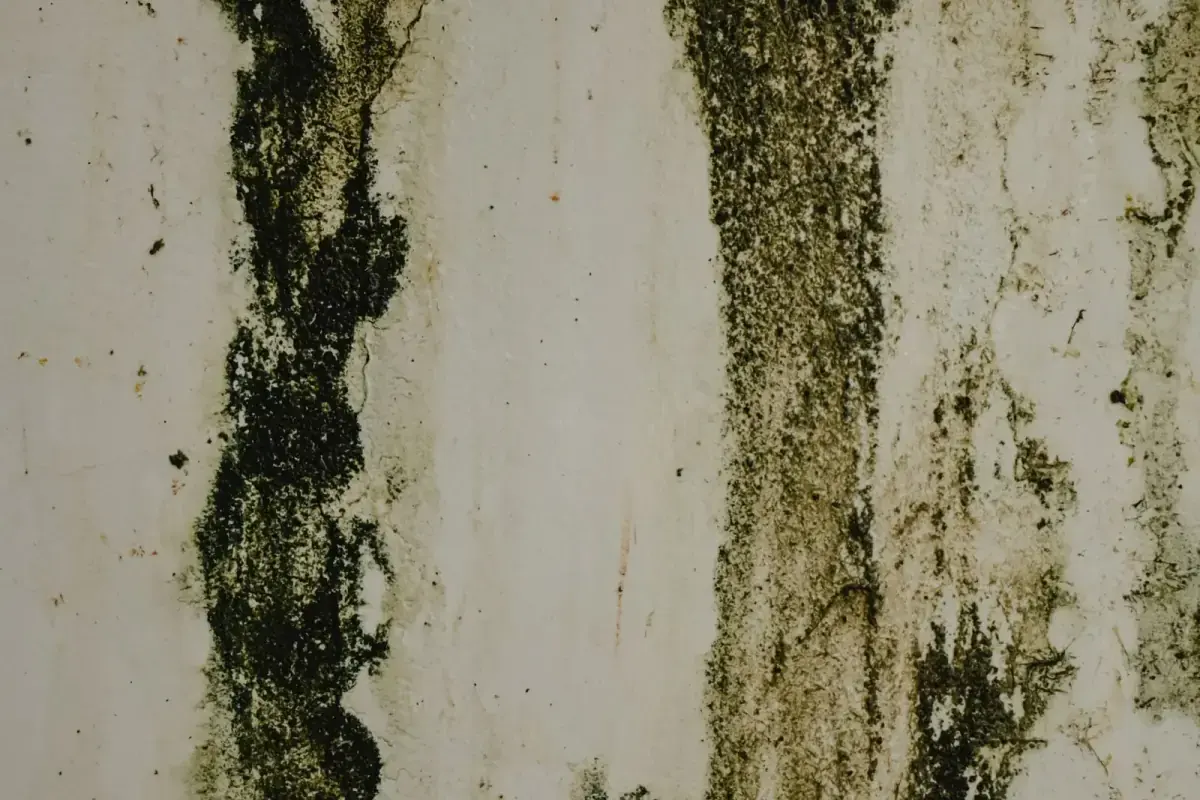
Containment and removal when water sat long enough for growth.
Fire and smoke
Board-up, soot removal, odor treatment and cleanup of the water used to put the fire out.

Fire Damage Restoration
Fire damage restoration secures the house, removes the water left by firefighting, cleans soot and smoke residue, removes what can't be saved and rebuilds. Starting within a day or two limits the corrosion, staining and odor that set in the longer residue sits.
About fire damage restoration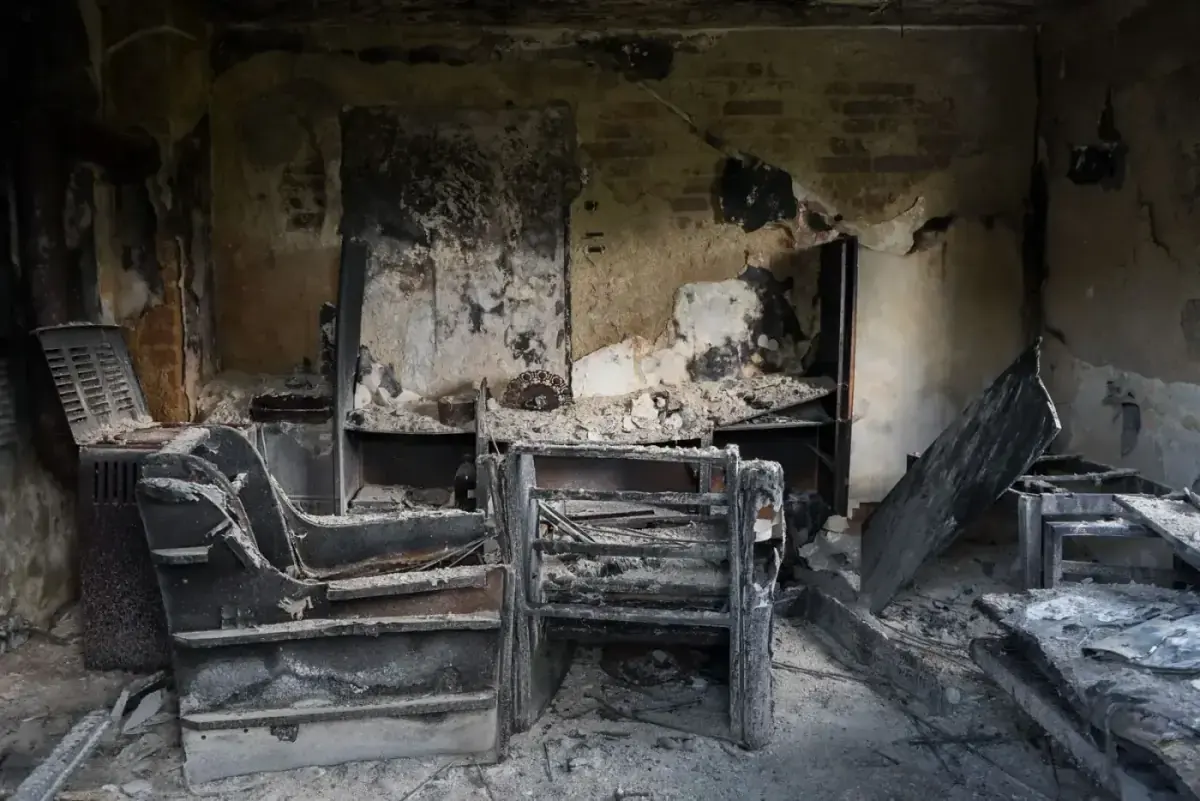
Smoke and Soot Cleanup
Smoke and soot cleanup removes residue from walls, ceilings, contents and HVAC, then treats odor at its source. Air freshener or a coat of paint over soot doesn't work; the residue has to come off first or the smell and stains come back.
About smoke and soot cleanupRepair and rebuild
Putting drywall, ceilings and floors back after the structure is dry.
Ceiling Leak Water Damage
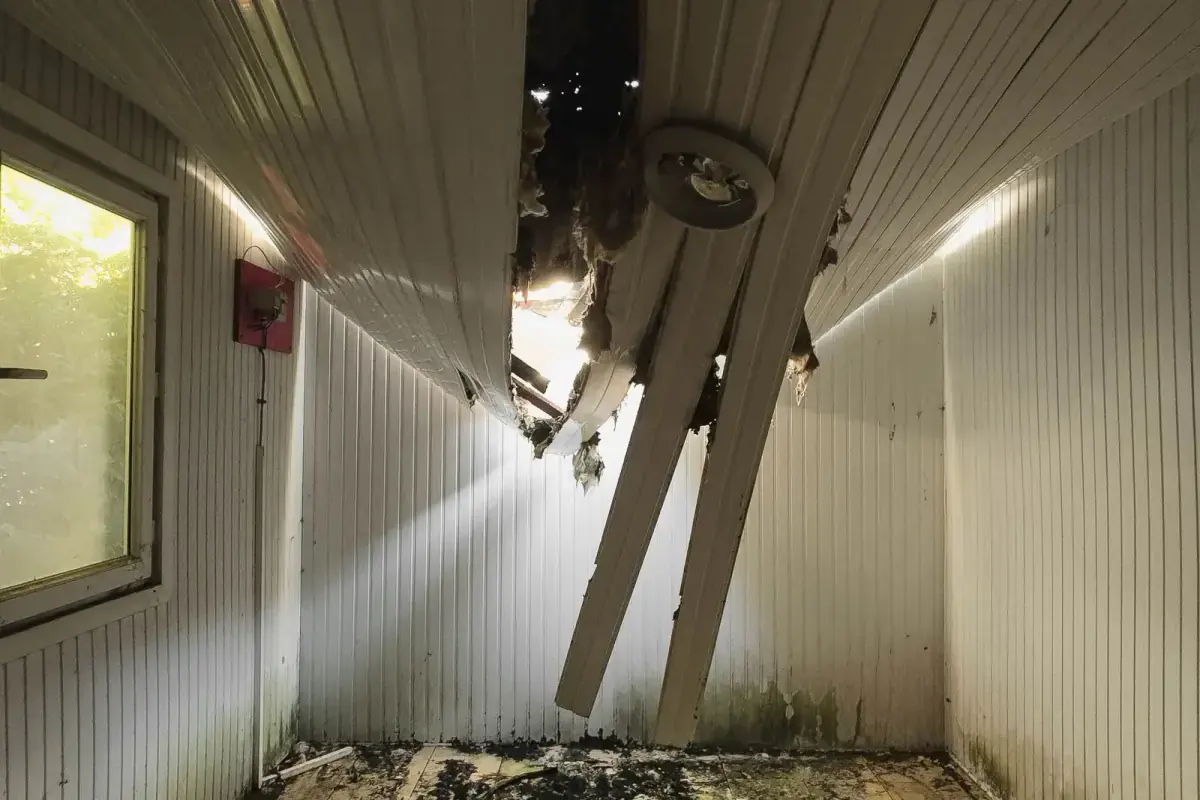
A wet ceiling needs the leak stopped at its source (roof, plumbing, HVAC drain or a bathroom above), the ceiling cavity dried, and damaged drywall and insulation replaced. Stains alone often mean water is still sitting above the drywall.
About ceiling leak water damage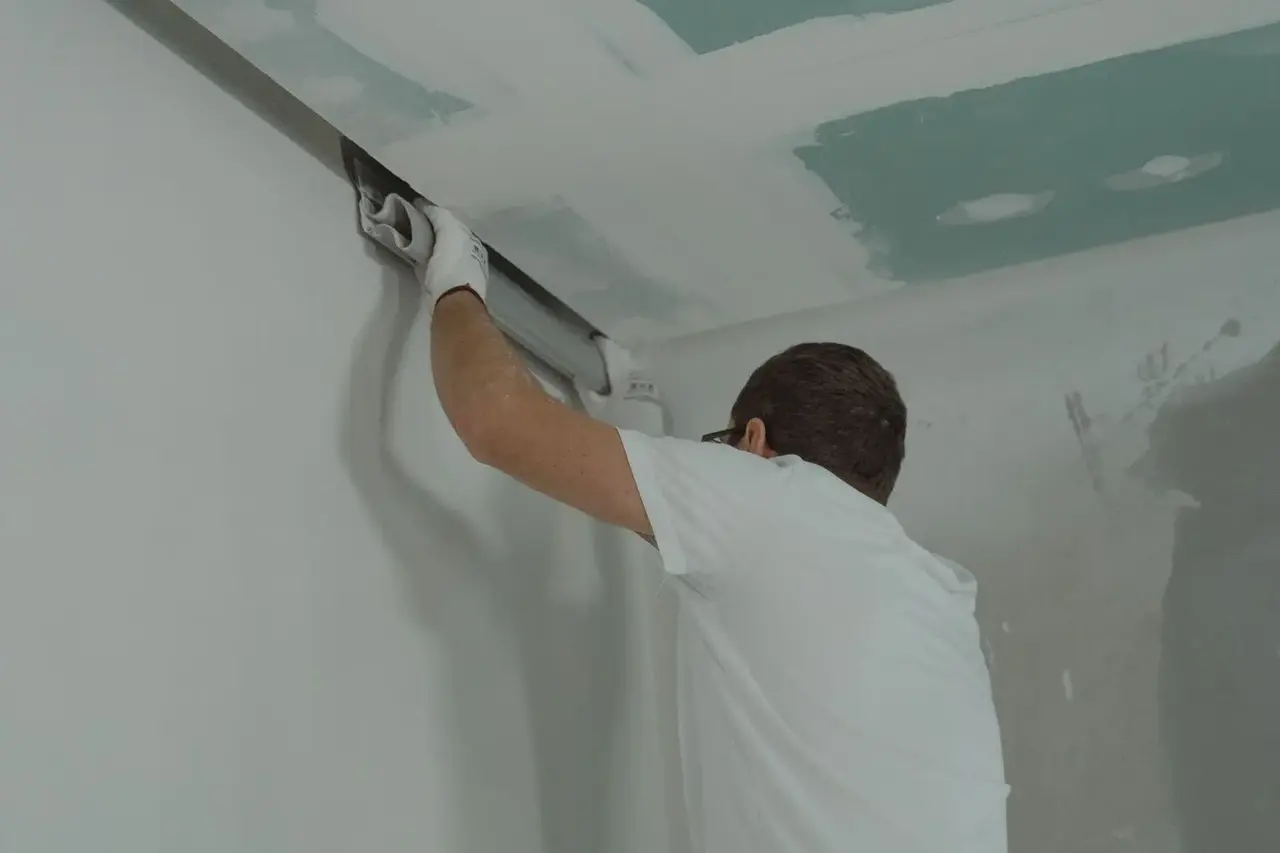
Water Damage Repair
Water damage repair is the rebuild after drying: new drywall, insulation, baseboards, flooring, cabinets and paint. It should start only after moisture readings confirm the structure is dry.
About water damage repairWater where it shouldn't be?
Stop the source if you can, then call. We'll connect you with a local restoration company that serves your ZIP.
Fast callback on emergency requests