Emergency service
Fire damage restoration
Fire damage restoration secures the house, removes the water left by firefighting, cleans soot and smoke residue, removes what can't be saved and rebuilds. Starting within a day or two limits the corrosion, staining and odor that set in the longer residue sits.

- Fast callback on emergency requests
- Independent local companies that serve your ZIP
- Moisture readings documented for your insurer
- Free to call; the company quotes before work starts
Most house fires leave three kinds of damage: burned materials, smoke and soot throughout the home, and water from the hoses or sprinklers that put the fire out. That water needs the same extraction and drying as any other leak, so fire jobs usually start with water extraction and structural drying.
Soot is acidic. On metal fixtures, grout, countertops and electronics it can start etching and discoloring within days, so cleaning shouldn't wait until the insurance claim settles. See smoke and soot cleanup for how residue and odor are removed.
Fire damage restoration usually involves fire and water damage restoration together, since firefighting soaks the house. Fire damage cleanup comes first; fire damage repair, the rebuild of burned and removed materials, follows once the home is clean and dry.
Fire Damage Restoration at a glance
- What it is
- Fire damage restoration secures the house, removes the water left by firefighting, cleans soot and smoke residue, removes what can't be saved and rebuilds.
- Urgency
- Same day. Damage grows by the hour.
- Typical steps
- Secure the property → Remove water → Clean soot and smoke → Deodorize and rebuild
- Who does it
- An independent, local restoration company
Signs
When you need fire damage restoration
- A fire of any size inside the home, including a contained kitchen or dryer fire
- Black or brown soot on walls, ceilings or inside cabinets
- Wet drywall, ceilings or carpet after firefighting
- Broken windows or holes in the roof that leave the house open
- A smoke smell that doesn't fade after airing out
Process
What the crew does
- 1
Secure the property
Openings are boarded up and damaged roof sections tarped so weather and intruders stay out.
- 2
Remove water
Water from firefighting is extracted and drying equipment is set, the same as any water loss.
- 3
Clean soot and smoke
Residue is removed with methods matched to the type of soot, and contents are cleaned or inventoried.
- 4
Deodorize and rebuild
Odor is treated at the source, then burned and unsalvageable materials are replaced.
Cost
What affects the price
Every job is scoped on site. These are the factors that move the number.
- How much of the home the fire, smoke and water reached
- Board-up and roof tarping needs
- Type of soot (dry, wet or protein residue from cooking)
- Contents cleaning, pack-out and storage
- Structural repairs and the extent of rebuild
Before the crew arrives
What you can do, and when to stop
Safe to do
- Wait until the fire department says the house is safe to enter
- Photograph every room and damaged item before anything is moved or thrown out
- Call your insurer and ask what your policy covers for board-up and temporary housing
- Take out perishable food and open windows for ventilation if it's safe
Stop and call if
- The fire department hasn't cleared the building
- There's structural damage, a sagging ceiling or a damaged roof
- Electrical wiring, the panel or gas lines were near the fire
- Soot covers more than one room, or it's greasy and smears when touched
FAQ
Fire Damage Restoration questions
How soon should fire damage cleanup start?
Within a day or two of the fire department clearing the house. Soot is acidic and can permanently stain or etch surfaces within days, and materials soaked during firefighting can start growing mold in 24 to 48 hours.
Is fire damage covered by homeowners insurance?
Most standard homeowners policies cover accidental fire, including smoke and the water used to put it out. Limits, deductibles and temporary housing benefits vary, so check your policy and talk to your insurer.
Can I stay in my home after a small fire?
Sometimes, after a small contained fire, once the fire department clears it. Soot and smoke particles can irritate lungs, so people with asthma or other breathing problems, young children and older adults may need to stay elsewhere until cleaning is done.
What is the difference between fire damage cleanup and fire damage repair?
Cleanup removes water, soot, smoke residue and debris and treats odor. Repair rebuilds what had to be removed or was burned: framing, drywall, insulation, flooring, cabinets and finishes.
Fire Damage Restoration in popular cities
- Fire Damage Restoration in Phoenix, AZ
- Fire Damage Restoration in Houston, TX
- Fire Damage Restoration in Dallas, TX
- Fire Damage Restoration in Atlanta, GA
- Fire Damage Restoration in Miami, FL
- Fire Damage Restoration in Seattle, WA
- Fire Damage Restoration in Denver, CO
- Fire Damage Restoration in Charlotte, NC
- Fire Damage Restoration in Chicago, IL
- Fire Damage Restoration in Los Angeles, CA
- Fire Damage Restoration in Baltimore, MD
- Fire Damage Restoration in Philadelphia, PA
- Fire Damage Restoration in Washington, DC
- Fire Damage Restoration in Boston, MA
- Fire Damage Restoration in Detroit, MI
- Fire Damage Restoration in Tampa, FL
- Fire Damage Restoration in Minneapolis, MN
- Fire Damage Restoration in Las Vegas, NV
Available in 48 states
Related
Related services
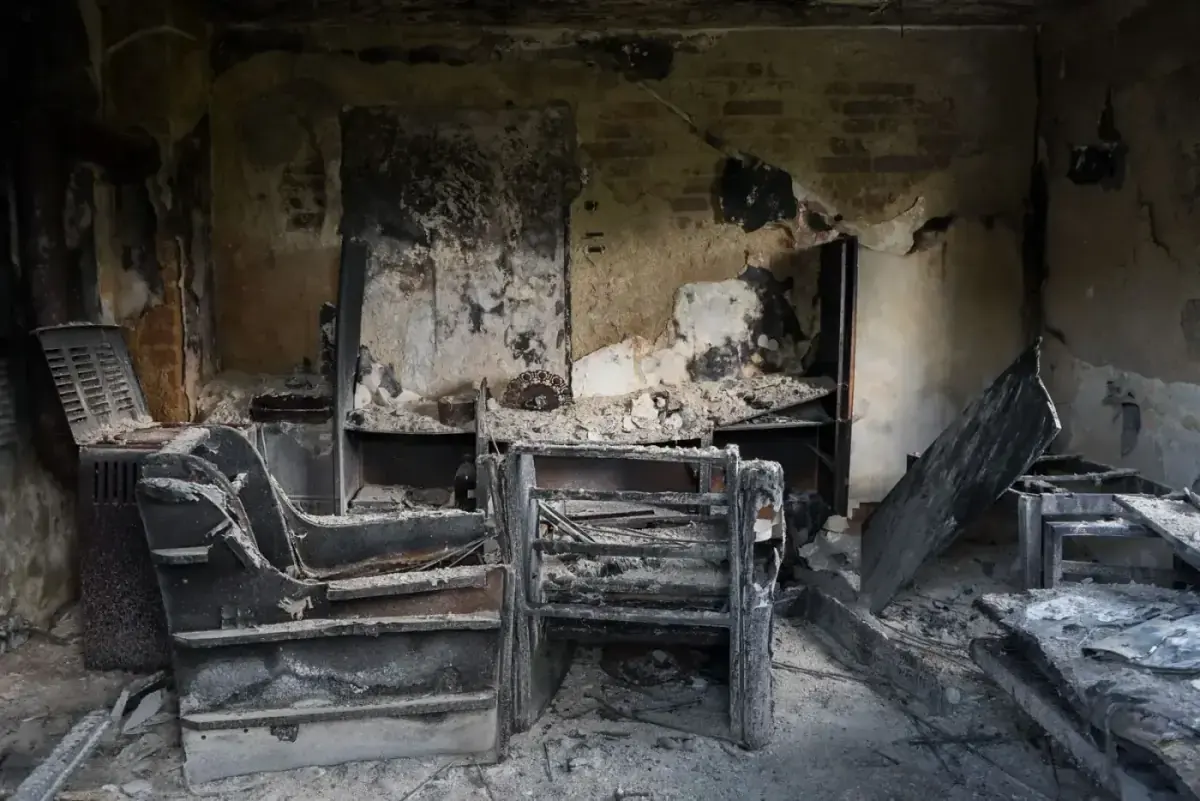
Smoke and Soot Cleanup
Smoke and soot cleanup removes residue from walls, ceilings, contents and HVAC, then treats odor at its source.
About smoke and soot cleanup
Water Extraction
Water extraction removes standing and soaked-in water with truck-mounted or portable pumps and extraction wands, so drying can start.
About water extraction
Water Damage Repair
Water damage repair is the rebuild after drying: new drywall, insulation, baseboards, flooring, cabinets and paint.
About water damage repairDealing with fire or smoke damage?
Once the fire department clears the house, call. We'll connect you with a local restoration company that serves your ZIP for board-up, water removal and soot cleanup.
Fast callback on emergency requests