Smoke and soot cleanup
Smoke and soot cleanup removes residue from walls, ceilings, contents and HVAC, then treats odor at its source. Air freshener or a coat of paint over soot doesn't work; the residue has to come off first or the smell and stains come back.
- Fast callback on emergency requests
- Independent local companies that serve your ZIP
- Moisture readings documented for your insurer
- Free to call; the company quotes before work starts
Smoke travels well beyond the room where a fire started. It follows air currents into closets, cabinets, attics and ductwork, so a kitchen fire can leave soot and odor throughout the house. Even a fire that never spread, like a burnt pot or a furnace puff-back, can coat every room.
Different fires leave different residue. Dry soot from fast-burning paper and wood wipes off more easily. Wet, sticky soot from plastics and rubber smears. Protein residue from burnt food is nearly invisible but has a strong odor. Crews test the residue before choosing a cleaning method. After a larger fire, this work runs alongside fire damage restoration.
Smoke damage restoration and smoke damage cleanup are the same work under different names: removing soot and smoke residue and treating odor. Smoke damage in HVAC systems needs its own cleaning, or the smell keeps coming back when the system runs.
Smoke and Soot Cleanup at a glance
- What it is
- Smoke and soot cleanup removes residue from walls, ceilings, contents and HVAC, then treats odor at its source.
- Urgency
- Soon. Start within a day or two.
- Typical steps
- Test the residue → Clean surfaces → Clean contents and HVAC → Treat odor
- Who does it
- An independent, local restoration company
Signs
When you need smoke and soot cleanup
- Dark film or webbing on walls, ceilings or around vents
- A smoke smell that returns when the heat or AC runs
- Yellow or brown discoloration on cabinets, trim or appliances
- Soot marks around a furnace, fireplace or candles
Process
What the crew does
- 1
Test the residue
The type of soot on each surface is identified so the right cleaning method is used.
- 2
Clean surfaces
Dry soot sponges, HEPA vacuuming and detergents remove residue from walls, ceilings and trim.
- 3
Clean contents and HVAC
Furniture, fabrics and belongings are cleaned, and ducts are checked for smoke that would spread odor again.
- 4
Treat odor
Remaining odor is treated with methods such as thermal fogging or hydroxyl units, and porous surfaces are sealed if needed.
Cost
What affects the price
Every job is scoped on site. These are the factors that move the number.
- Number of rooms with soot and odor
- Type of residue (dry, wet or protein)
- Contents and textile cleaning
- HVAC and duct cleaning
- Odor treatment method and time needed
Before the crew arrives
What you can do, and when to stop
Safe to do
- Open windows and run fans if there's no ongoing hazard
- Change the HVAC filter after a small smoke event
- Wash smoke-smelling clothes and linens that aren't soot-stained
Stop and call if
- Soot smears when touched, which means wiping will spread it
- Smoke odor is in the ductwork or returns when the system runs
- Soot covers more than a small area or is on electronics
- The residue came from burning plastics or chemicals
FAQ
Smoke and Soot Cleanup questions
Can I wash soot off walls myself?
Light, dry soot in a small area can sometimes be removed with a dry soot sponge. Water or cleaners used first often smear soot deeper into paint and drywall, so larger areas are better left to a crew.
How long does smoke smell last?
Without treatment it can linger for months and come back in humid weather or when the heat runs. Removing the residue and treating the source usually clears it within days.
Does painting cover smoke damage?
Not by itself. Paint over soot can bleed through and trap odor. Surfaces need to be cleaned, and often sealed with an odor-blocking primer, before painting.
What is the smoke damage restoration process?
The crew tests the residue, removes loose soot with HEPA vacuums and dry soot sponges, washes surfaces with cleaners suited to the soot type, cleans contents and HVAC, then treats remaining odor and seals porous surfaces if needed.
Smoke and Soot Cleanup in popular cities
- Smoke and Soot Cleanup in Phoenix, AZ
- Smoke and Soot Cleanup in Houston, TX
- Smoke and Soot Cleanup in Dallas, TX
- Smoke and Soot Cleanup in Atlanta, GA
- Smoke and Soot Cleanup in Miami, FL
- Smoke and Soot Cleanup in Seattle, WA
- Smoke and Soot Cleanup in Denver, CO
- Smoke and Soot Cleanup in Charlotte, NC
- Smoke and Soot Cleanup in Chicago, IL
- Smoke and Soot Cleanup in Los Angeles, CA
- Smoke and Soot Cleanup in Baltimore, MD
- Smoke and Soot Cleanup in Philadelphia, PA
- Smoke and Soot Cleanup in Washington, DC
- Smoke and Soot Cleanup in Boston, MA
- Smoke and Soot Cleanup in Detroit, MI
- Smoke and Soot Cleanup in Tampa, FL
- Smoke and Soot Cleanup in Minneapolis, MN
- Smoke and Soot Cleanup in Las Vegas, NV
Available in 48 states
Related
Related services

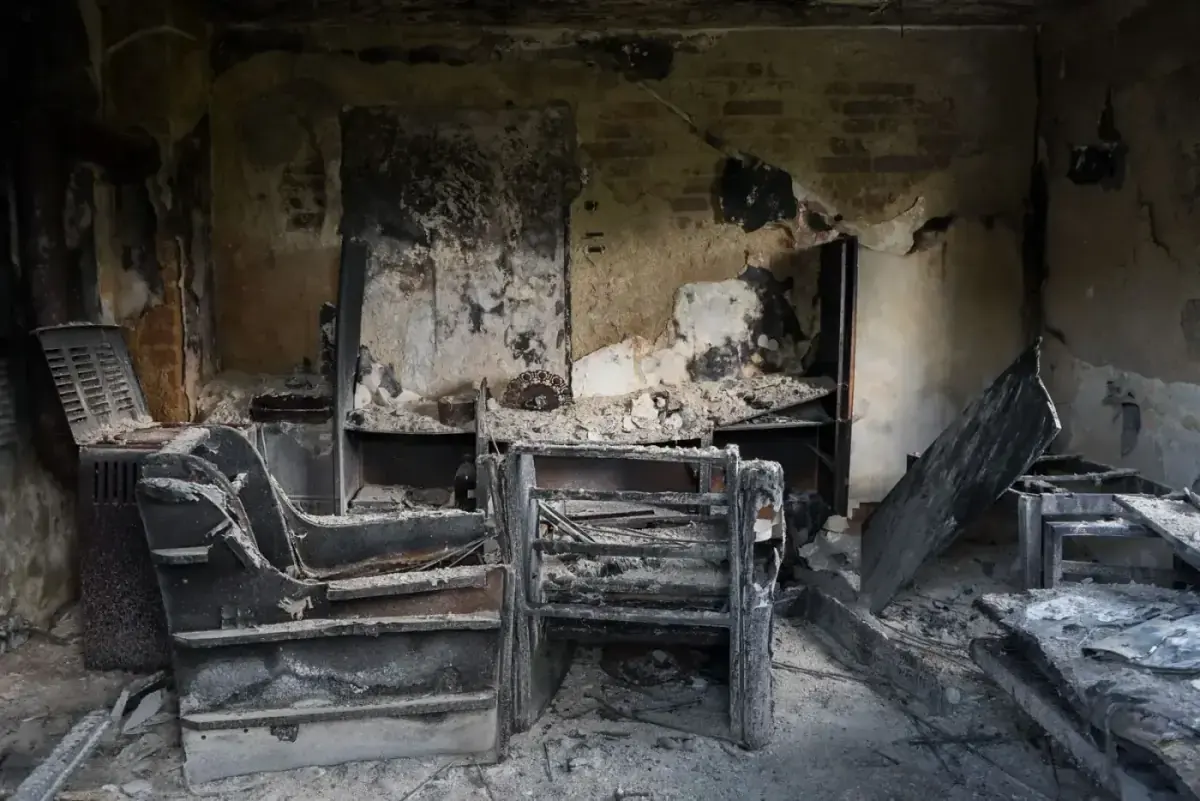
Fire Damage Restoration
Fire damage restoration secures the house, removes the water left by firefighting, cleans soot and smoke residue, removes what can't be saved and rebuilds.
About fire damage restoration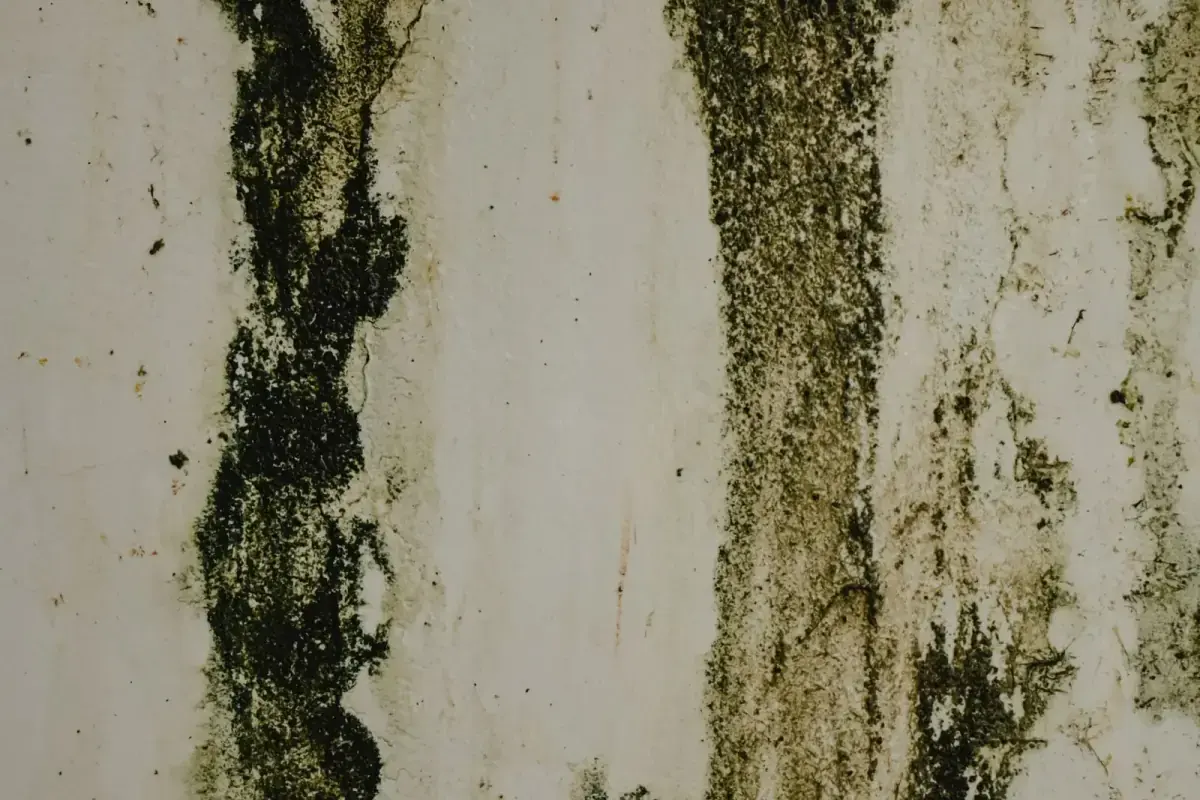
Mold Remediation
Mold remediation contains the affected area, removes moldy porous materials, cleans hard surfaces and fixes the moisture problem that caused it.
About mold remediation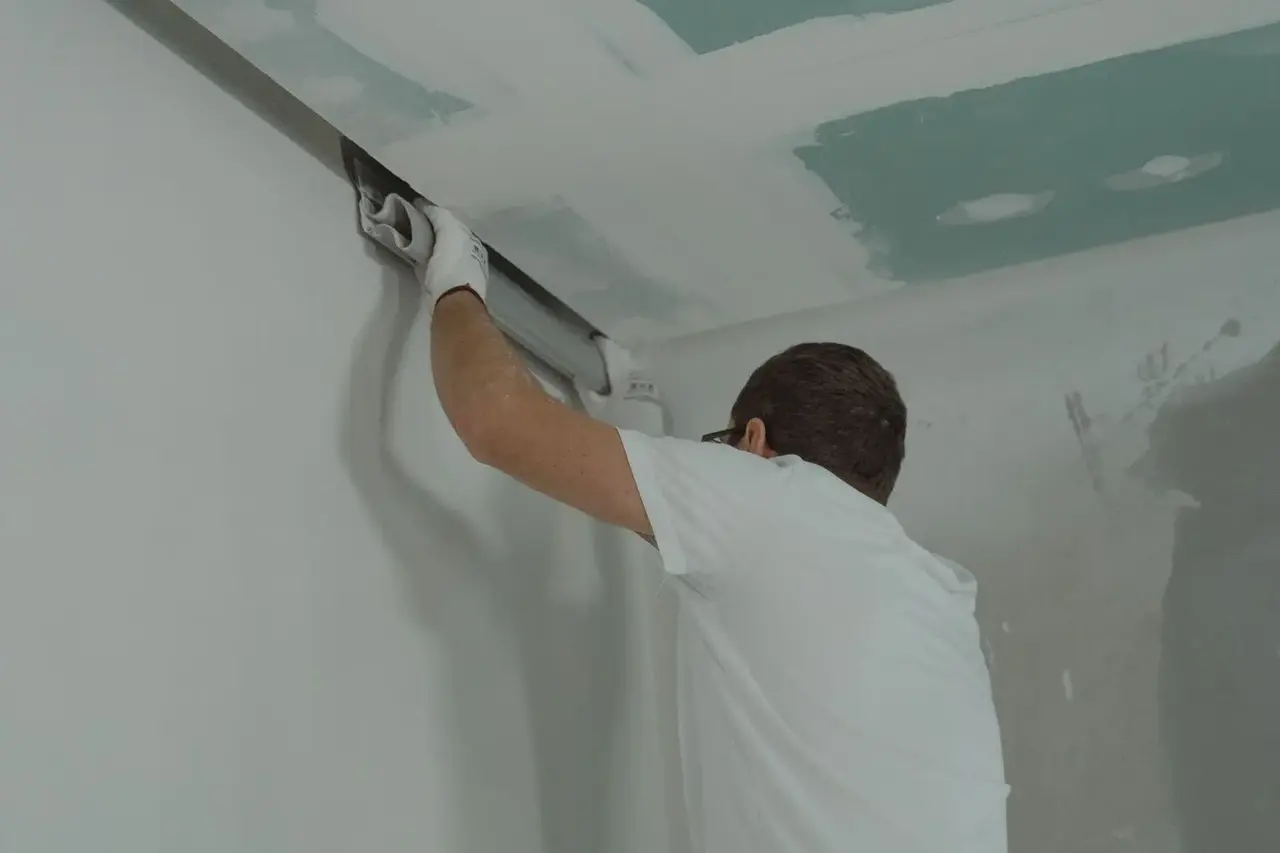
Water Damage Repair
Water damage repair is the rebuild after drying: new drywall, insulation, baseboards, flooring, cabinets and paint.
About water damage repairDealing with fire or smoke damage?
Once the fire department clears the house, call. We'll connect you with a local restoration company that serves your ZIP for board-up, water removal and soot cleanup.
Fast callback on emergency requests