Short answer
Prevent mold by drying everything within 24 to 48 hours: extract the water, remove soaked carpet pad, insulation and drywall that won't dry, run dehumidifiers and air movers, and confirm with a moisture meter that materials are dry before closing anything up. Sprays don't replace drying.
Why speed matters
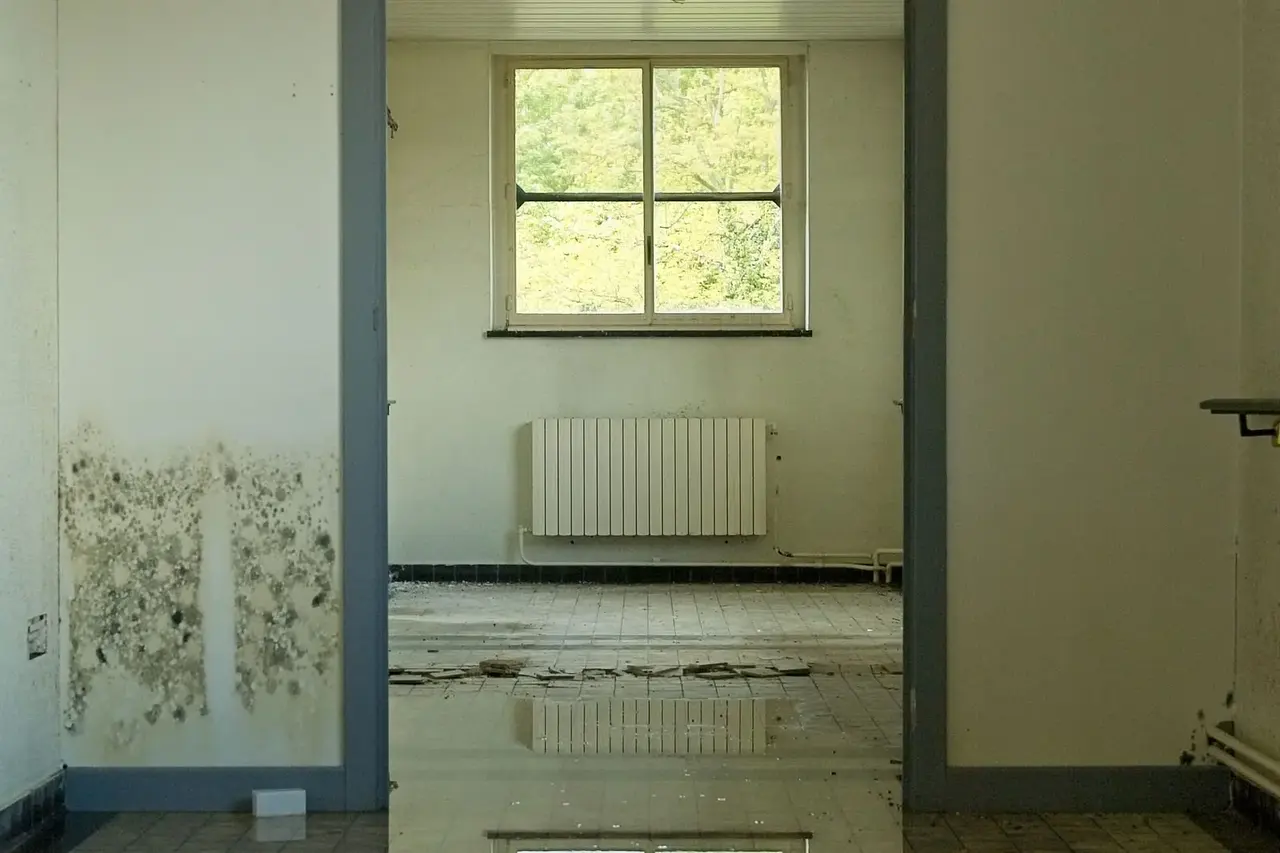
Mold spores are already in every home. They need moisture, something to feed on, like drywall paper, wood or dust, and time. Wet materials can start growing mold in 24 to 48 hours, so the first two days decide whether a leak becomes a mold problem. See how fast mold grows.
What to do
- Remove standing water immediately, with a wet-vac for small clean spills or professional extraction for anything larger.
- Pull up wet carpet pad and remove wet insulation; they rarely dry in place.
- Cut out drywall that wicked water, usually 12 to 24 inches above the waterline, so the wall cavity can dry.
- Run dehumidifiers and keep windows closed on humid days; fans alone move damp air around.
- Check with a moisture meter before painting, installing flooring or closing walls.
What about mold sprays?
Antimicrobial products can help on hard surfaces after cleaning, but they don't dry wet materials or kill mold growing inside drywall and wood. Bleach whitens surface mold but doesn't solve the moisture that feeds it.
When mold is already there
If you see or smell mold, or growth covers more than about 10 square feet, see mold remediation. Containment keeps spores from spreading while affected materials are removed.
Questions
How long after water damage does mold grow?
Mold can begin growing on wet materials in 24 to 48 hours and is often visible within one to two weeks if materials stay wet.
What should I spray to prevent mold after water damage?
After cleaning and drying, an EPA-registered antimicrobial can be used on hard surfaces. No spray substitutes for removing water and drying materials completely.
This guide is general information, not professional, legal or insurance advice. Follow your insurer's instructions and local codes, and put safety first.