Short answer
Hard, non-porous items — metal, glass, sealed stone and most hard plastics — usually clean up well after smoke damage. Porous items that absorbed smoke, like upholstery, bedding and paper, are harder: some respond to specialist cleaning and some are never worth saving. Food, medicine and cosmetics exposed to smoke should be thrown away.
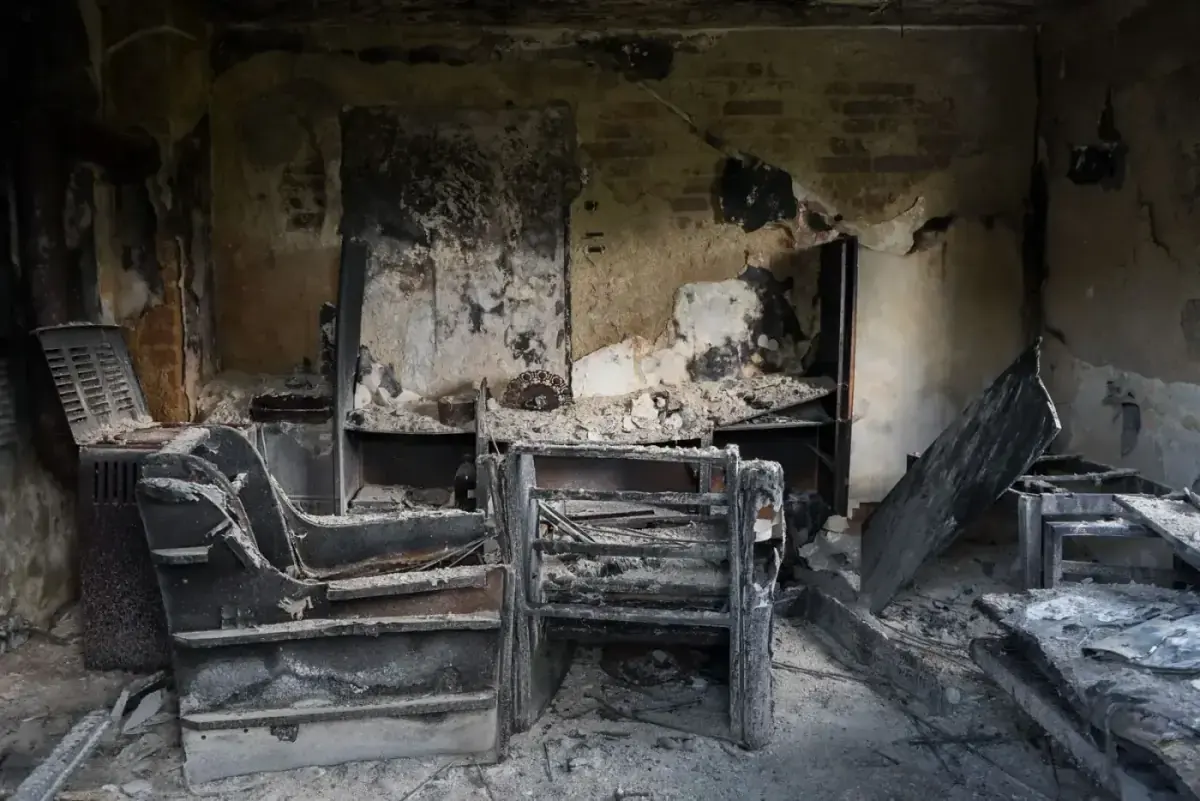
Usually salvageable
If smoke couldn't soak into it, it can usually be cleaned off it. Metal, glass and ceramic items, sealed appliance exteriors, and solid hardwood furniture generally come back well. Dishes and cookware can be washed and reused once any damaged items are discarded. Washable clothing and linens often recover too, especially when they go to a cleaner experienced with smoke rather than through a normal home wash, which can set the odor.
Sometimes salvageable — test before you decide
- Upholstered furniture, carpets and curtains: worth a specialist test clean on one area. If the odor is still there when the item is fully dry and warm, it rarely improves.
- Electronics: don't switch them on. Soot is acidic and can corrode circuits, so a specialist should open, clean and test them first.
- Books, documents and photographs: keep them dry and handle them as little as possible. Specialists can clean and deodorize paper, and freezing can halt damage to wet or fragile items, but heavy smoke staining is often permanent.
- Soft toys and bedding: if they can be hot-washed more than once and come out odor-free, keep them; if in doubt for anything a baby mouths, replace it.
Usually not worth saving
Throw away food, medicine and cosmetics that were exposed to heat or smoke, including canned and jarred food — heat and fumes get past seals. Mattresses and pillows that took heavy smoke almost never lose the odor, because it sits deep in the filling where cleaning can't reach. As a rule, an item whose specialist cleaning would cost more than replacing it, or that still smells after a genuine test clean, should be replaced. Photograph everything and list it before it goes; your insurer will want the record.
Odor is usually the deciding factor
Most smoke decisions come down to smell, not appearance. An item can look clean and still release odor every time the room warms up, because the residue sits inside porous material. Crews use processes such as ozone treatment or thermal fogging on contents and rooms — done only in unoccupied spaces, by professionals — and if the odor returns after treatment, replacement is the honest answer. Cleaning the room itself is a separate job; see how to clean soot off walls and smoke and soot cleanup.
Questions
Can smoke-damaged electronics be saved?
Sometimes. Leave them switched off and unplugged — powering them up can drive soot and moisture across the boards. A specialist cleans the internals and tests each item, and will tell you which ones aren't economical to repair.
Does insurance pay to replace smoke-damaged belongings?
Standard homeowners policies usually include contents (personal property) coverage for fire and smoke. Document items with photos and a list before disposal, keep receipts for replacements, and ask your adjuster before throwing away high-value items.
This guide is general information, not professional, legal or insurance advice. Follow your insurer's instructions and local codes, and put safety first.