Short answer
Water damage restoration is the process of returning a home to its pre-loss condition after a leak or flood: stopping the source, extracting water, drying the structure to measured targets, cleaning and sanitizing, then repairing what had to be removed. Mitigation is the first half (water out, structure dry); restoration includes the rebuild.
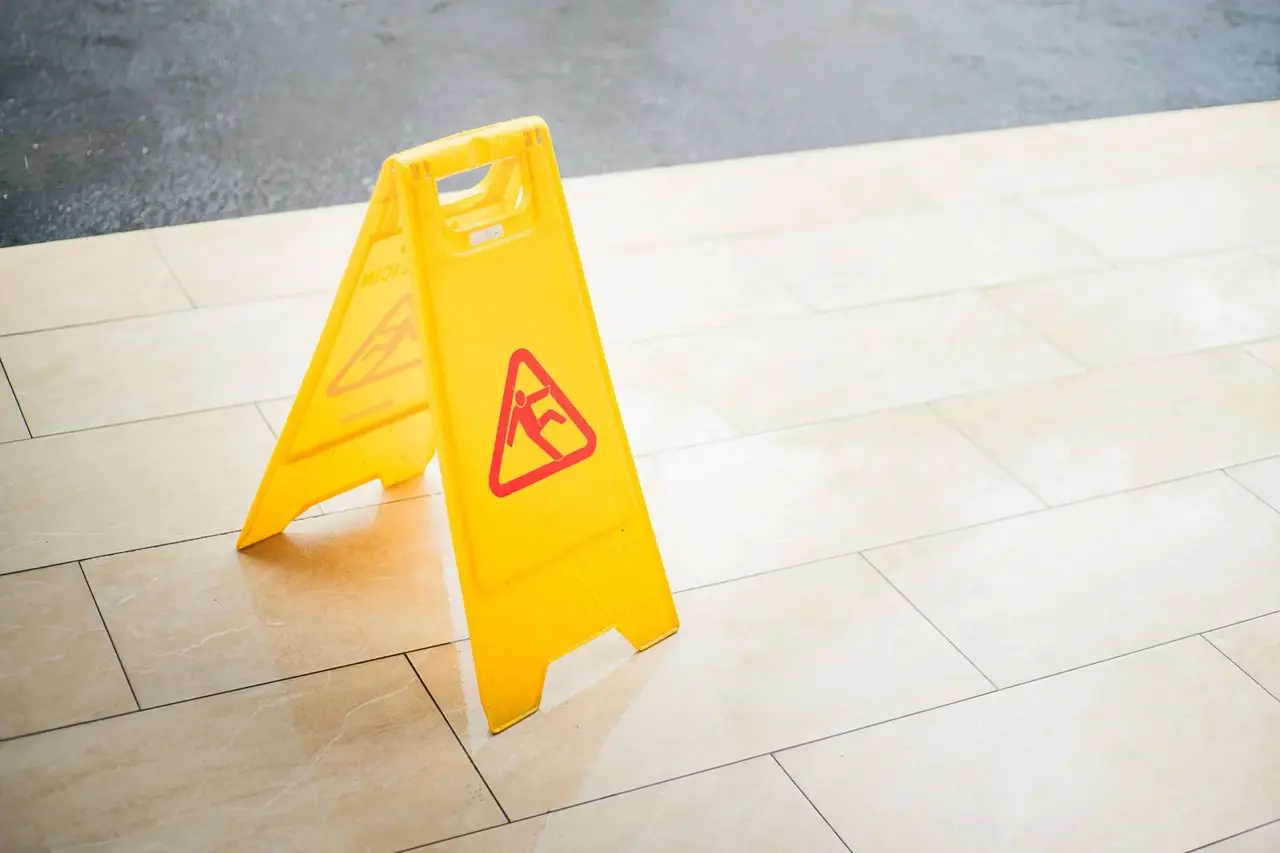
The five stages
Most jobs follow the same order, whether the water came from a supply line, a roof or a flooded basement.
- Inspection: the source is found and stopped, and the water is classified as clean, gray or sewage (category 1, 2 or 3).
- Extraction: pumps and extraction wands remove standing water and water held in carpet and pad. See water extraction.
- Drying: air movers and dehumidifiers run until moisture meters show materials are back to normal. See structural drying.
- Cleaning: surfaces are cleaned and, for gray or sewage water, sanitized. Porous materials touched by sewage are removed.
- Repair: drywall, insulation, flooring and trim that were removed are replaced. See water damage repair.
Mitigation versus restoration
Insurers and contractors often split the job in two. Mitigation covers the emergency work that stops the damage from getting worse: extraction, tear-out of wet materials and drying. Restoration, or rebuild, is the repair work afterward. Some companies do both; others hand off the rebuild to a general contractor.
How long it takes
Extraction usually happens on the first visit. Drying typically takes three to five days for a clean-water loss, longer for hardwood, plaster or cold basements. Repairs can take a few days for one room to several weeks when flooring and cabinets have to be ordered. See how long water damage takes to dry.
What affects the cost
Cost depends on the size of the affected area, the water category, how much material has to come out, the number of drying days and equipment, and the extent of rebuild. Clean water caught quickly costs far less than sewage or water that sat for days.
What the equipment does — and why it runs for days
The machines that fill a drying home each have a job. Air movers push dry air across wet surfaces so moisture evaporates; dehumidifiers pull that moisture out of the air so it does not settle back into the walls. Moisture meters and thermal cameras tell the crew where water is hiding — behind baseboards, under flooring, inside wall cavities — places that feel dry to the touch but are not.
That is why the equipment usually runs for several days rather than a few hours. Drying is measured, not guessed: the crew takes moisture readings each day and compares them against the dry standard for each material. Turning the machines off early leaves trapped moisture behind, and trapped moisture is what turns a water loss into a mold problem weeks later. See how to prevent mold after water damage for what happens when drying is cut short.
What gets removed, and what can be saved
Not everything wet has to go. Whether a material is saved depends on what it is and what kind of water touched it. Clean water on hard surfaces and solid wood can usually be dried in place. Porous materials — carpet pad, insulation, particle board — absorb water deep into their structure and are often removed instead, because they dry slowly and hold contaminants.
Sewage water changes the rules: anything porous it touched is removed rather than cleaned, and the area is sanitized. Drywall is commonly cut a foot or two above the water line (a flood cut) so the wall cavity can dry; flooring decisions depend on the material — tile and vinyl often survive, hardwood may cup and need refinishing or replacement. Contents are triaged the same way: non-porous items are cleaned, paper and fabric are dried or discarded depending on the water category. See water damage categories explained for how the water type drives these calls.
Questions
Is water damage restoration covered by insurance?
Sudden and accidental water damage, like a burst pipe, is usually covered by homeowners insurance. Gradual leaks, poor maintenance and outside flooding usually aren't; flooding needs a separate flood policy.
Can I stay in my home during water damage restoration?
Usually yes for a clean-water loss in part of the house, though the equipment is loud. Sewage losses, large tear-outs and mold removal may make parts of the home unsafe until the work is done.
What is the difference between water mitigation and restoration?
Mitigation stops the damage from spreading: extraction, removal of wet materials and drying. Restoration is the repair and rebuild that puts the home back together afterward.
How do I know when my home is fully dry?
By moisture readings, not by touch. The crew measures walls, floors and framing with a moisture meter and compares the numbers to the dry standard for each material. Ask for the final readings in writing — they are the proof the structure is dry, and your insurer may ask for them.
Do I need a separate company for the rebuild?
Not always. Some restoration companies handle the rebuild themselves; others stop at drying and hand the repairs to a general contractor. Ask before work starts who does the rebuild, so you know whether you will be managing a second contractor and a second schedule.
This guide is general information, not professional, legal or insurance advice. Follow your insurer's instructions and local codes, and put safety first.